 Delta Plumbers
More homeowners in Toronto are realizing that green plumbing upgrades are more than just a trend—they’re a necessity. Rising utility costs, aging infrastructure, and growing awareness about environmental sustainability have created a strong push toward eco-friendly living. When it comes to plumbing, even small changes can make a huge difference in conserving water, saving energy, and lowering monthly expenses.
In this blog, we’ll take a deep dive into seven major eco-friendly plumbing solutions that work well in Toronto homes. You’ll learn what each upgrade is, how it benefits your household, whether it’s DIY-friendly, and when it’s best to call the licensed experts at Delta Plumbers.

Picture Source – Delta Plumbers
1. What Is Green Plumbing and Why Does It Matter in Toronto?
Green plumbing is a modern approach to household water systems that prioritizes conservation, efficiency, and sustainability. Instead of treating water as an unlimited resource, green plumbing focuses on smart usage, ensuring that every drop counts.
In Toronto, the benefits of green plumbing are amplified by the local climate. Cold winters mean higher demand for hot water, while summer months increase water consumption for outdoor use. By installing eco-friendly plumbing systems, homeowners can cut water consumption by up to 30%, reduce energy bills, and contribute to a cleaner environment.
Why it matters in Toronto:
- Utility bills are rising—eco-upgrades help offset costs.
- Seasonal temperature extremes put extra pressure on plumbing systems.
- Growing community initiatives encourage sustainable living.
In short, green plumbing protects your wallet and your environment.
Also Read: Greywater Recycling Systems: Can Plumbers Help You Save Water Legally?

Picture Source – Delta Plumbers
2. Low-Flow Fixtures: Small Changes, Big Impact
When homeowners ask, “What’s the easiest way to go green?” the answer is always the same: install low-flow fixtures. These simple upgrades drastically reduce water usage without reducing comfort.
Low-Flow Faucets and Showerheads
- Standard showerheads release about 2.5 gallons per minute (GPM), while low-flow models cut this to around 1.5 GPM. That means every 10-minute shower saves 10 gallons of water.
- Faucet aerators, small screw-on devices, mix air into the water stream. This gives you strong pressure with much less water.
Low-Flow Toilets
- Toilets are the biggest water users in the house, accounting for nearly 30% of total household consumption.
- Older toilets use 3.5 to 6 gallons per flush, compared to 1.28 gallons in modern high-efficiency toilets.
DIY vs. Professional Installation
- Showerheads and faucet aerators are DIY-friendly, often requiring no more than a wrench.
- Toilet upgrades are best handled by Delta Plumbers. A professional ensures correct sealing, prevents leaks, and removes your old unit safely.
Result: A family of four in Toronto could save 13,000 gallons of water per year with low-flow fixtures alone.
Also Read: How to Choose the Right Plumbing Fixtures Based on Water Pressure in Your Area

Picture Source – Delta Plumbers
3. Tankless Water Heaters: Hot Water on Demand
Traditional water heaters constantly heat and reheat 40–60 gallons of water—even while you’re at work or asleep. This “standby energy loss” wastes electricity or natural gas. Tankless water heaters, also known as on-demand systems, fix this problem by heating water only when you turn on the tap.
Benefits of Toronto Homes
- Energy efficiency: Homeowners save up to 30% on water heating costs.
- Endless hot water: No running out during back-to-back showers.
- Space saving: Compact units mount on walls, freeing up basement or utility room space.
- Long lifespan: Tankless systems often last 20+ years compared to 10–12 years for traditional tanks.
DIY vs. Professional Installation
This is not a DIY project. Tankless units require:
- Correct sizing for your household.
- Proper gas line connections.
- Electrical wiring and venting installation.
Delta Plumbers ensures that every tankless water heater in Toronto is installed to meet safety codes and delivers maximum efficiency.
Also Read: How to Install a New Outdoor Hose Bib or Faucet

Picture Source – Delta Plumbers
4. Greywater Recycling Systems: Reuse What You Already Have
Greywater is lightly used water from sinks, showers, and washing machines. Instead of sending it straight into the sewer, greywater recycling systems capture and reuse it for non-potable tasks like flushing toilets and watering gardens.
Why Greywater Systems Work in Toronto
- Reduces municipal water demand.
- Perfect for households with gardens or large lawns.
- Cuts household water bills significantly.
DIY vs. Professional Setup
- DIY option: Simple systems divert washing machine water directly to outdoor irrigation.
- Professional system: Full greywater systems include filters, pumps, and secondary plumbing lines. These must be designed and installed by licensed plumbers to meet local Toronto regulations.
Delta Plumbers provides tailored greywater solutions that are safe, sanitary, and efficient.
Also Read: How to Clear a Clogged Bathtub Drain: The Complete Guide for Homeowners in Ontario

Picture Source – Delta Plumbers
5. Rainwater Harvesting: Free Water for Your Home
Rainwater is an untapped resource in Toronto. By installing rainwater harvesting systems, homeowners can capture roof runoff and store it for future use.
Benefits
- Outdoor irrigation: Keep lawns and gardens healthy without increasing water bills.
- Indoor applications: With proper filtration, rainwater can be used for laundry or toilet flushing.
- Flood prevention: Helps reduce stormwater runoff in Toronto neighbourhoods, lowering the risk of basement flooding.
Installation Options
- DIY: Simple rain barrels under downspouts.
- Professional: Full systems with underground storage tanks, pumps, and filters that integrate into your plumbing.
With proper installation, homeowners can save up to 50% on water bills during peak summer months.
Also Read: How to Reduce Water Waste with Simple Plumbing Tweaks

Picture Source – Delta Plumbers
6. Leak Detection Technology: Smart Savings for Your Home
Hidden leaks are one of the most wasteful problems in Toronto homes. A single undetected leak can waste 10,000 gallons of water per year. Modern leak detection technology prevents this waste.
Smart Leak Detection Devices
- Wireless sensors placed near appliances alert you when water is detected.
- Whole-home smart valves automatically shut off water if a major leak occurs.
- Many systems connect to smartphone apps, so you can monitor your plumbing remotely.
DIY vs. Professional Setup
- DIY: Small sensors can be placed near sinks, water heaters, or dishwashers.
- Professional: Whole-home monitoring and automatic shutoff systems require professional installation for proper integration.
Delta Plumbers offers leak detection system installation in Toronto, ensuring maximum protection against water waste and property damage.
Also Read: When to DIY and When to Call a Professional Plumber
Picture Source – Delta Plumbers
7. Insulated and PEX Piping: Efficiency from the Inside Out
Even your home’s pipes can impact water and energy efficiency.
Insulated Pipes
- Hot water pipes lose heat as water travels from the heater to your tap.
- Adding insulation keeps water hotter for longer, reducing energy use.
- Prevents pipes from freezing in harsh Toronto winters.
PEX Piping
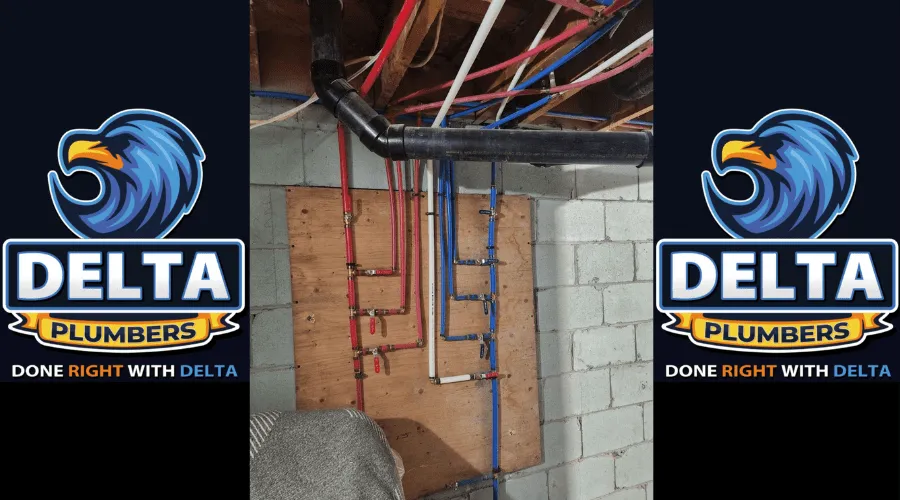
- PEX (cross-linked polyethylene) is flexible, resistant to corrosion, and lasts longer than traditional copper or galvanized pipes.
- Fewer joints mean fewer opportunities for leaks.
- Easier to install and less costly to maintain.
DIY vs. Professional Work
- DIY: Foam insulation on exposed pipes.
- Professional: Full PEX pipe replacement requires code compliance and expertise—something Delta Plumbers specializes in across Toronto.
How Much Money Can Green Plumbing Save in Toronto?
Eco-friendly plumbing isn’t just about saving the planet—it’s about saving money, too. Here’s what a typical Toronto homeowner could expect:
- Low-flow fixtures: $100–$150 per year.
- Tankless water heater: $150–$300 per year.
- Leak detection systems: $100–$200+ in prevented waste.
- Rainwater harvesting: $200+ during heavy irrigation months.
- Greywater systems: Up to 40% reduction in household water bills.
Total savings: Many Toronto families save $600–$1,000 annually with a combination of these upgrades.
Conclusion –
Green plumbing in Toronto is no longer an optional luxury—it’s the smart, cost-saving choice for modern homeowners. By upgrading to low-flow fixtures, tankless water heaters, rainwater harvesting, and smart leak detection systems, you can protect your budget, increase your home’s value, and contribute to a sustainable future.
At Delta Plumbers, we’ve been serving Ontario families for over 17 years with reliable, eco-friendly plumbing solutions. Our licensed team specializes in installing and maintaining green plumbing systems that make your home efficient, sustainable, and future-proof.
Call Delta Plumbers today at (888) 925-1996 or visit https://deltaplumbersinc.com/toronto-on/ to schedule your consultation. Let’s make your Toronto home greener, smarter, and more affordable—one upgrade at a time.
Reliable Plumbing Solutions Across Ontario 🚿🚐
Wherever you are in Ontario, Delta Plumbers is just a call away. Our skilled professionals handle everything—from emergencies to planned installations—with speed and care. We proudly work in:
But that’s not all—we also serve Toronto, Hamilton, Vaughan, Oakville, Kitchener, Markham, Aurora, Kingston, Barrie, and more cities throughout the province.
Delta Plumbers is your dependable choice for quality plumbing in Ontario.