 Delta Plumbers
Hard water is a common issue affecting thousands of homes in Bolton and across Greater Manchester. While many people recognise the symptoms—limescale around taps, cloudy glassware, stiff laundry, and dry skin—fewer understand how seriously hard water can affect plumbing systems and household appliances. Over time, mineral deposits caused by hard water can lead to expensive repairs, reduced efficiency, and preventable damage throughout the home.
Bolton’s geographical makeup means its water supply naturally contains high levels of calcium and magnesium. These minerals are harmless to drink, but they wreak havoc on heating systems, pipes, and daily water-using tasks. Fortunately, modern solutions can significantly reduce or completely eliminate hard water problems.
This blog explores exactly how hard water affects Bolton households, how it damages plumbing systems, and the best long-term solutions to protect your home.
Understanding Hard Water in Bolton
Hard water contains elevated levels of dissolved minerals, mainly calcium and magnesium. As rainwater passes through local limestone and sedimentary rock formations, it collects these minerals before entering the local water supply. Bolton is categorised as a moderately to very hard water area, making it more vulnerable to limescale and related plumbing issues.
Common Signs of Hard Water
Many homeowners notice hard water symptoms long before discovering the root cause. Signs include:
- White, flaky limescale deposits around sinks, taps, and showerheads
- Cloudy residue on glasses and dishes
- Kettles that “fur up” quickly
- Soap and shampoo that don’t lather easily
- Dry, irritated skin and brittle hair
- Reduced water pressure over time
- Appliances becoming less efficient or failing prematurely
If several of these issues sound familiar, hard water is likely affecting your home.
How Hard Water Impacts Your Plumbing System
While the visual signs are inconvenient, the hidden damage inside your plumbing system is far more serious. Here are the main ways hard water affects your home’s internal water network.
Limescale Buildup Inside Pipes
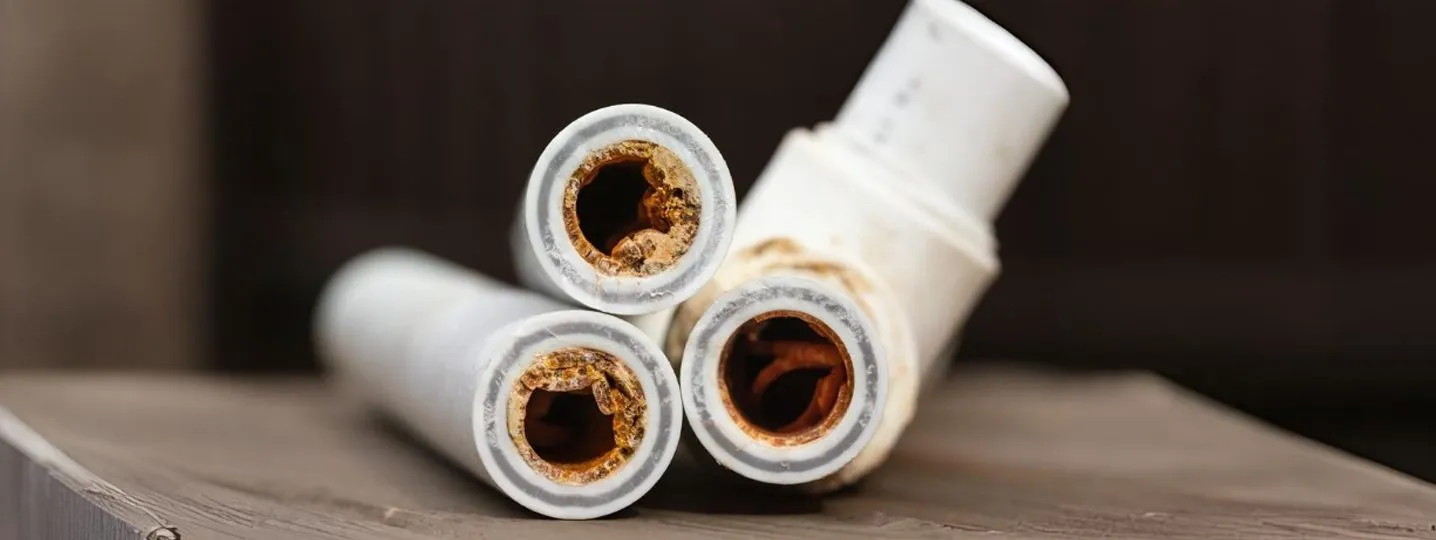
As hard water flows through your pipes, minerals gradually settle and form a hard, chalky crust called limescale. Over time, this buildup restricts water flow and causes:
- Reduced water pressure
- Less efficient water movement
- Higher risk of corrosion
- Internal blockages
- Pressure fluctuations
Severely scaled pipes may require replacement long before their normal lifespan.
Read More: Green Plumbing in Toronto: Eco-Friendly Upgrades That Save Water and Money
Boiler and Heating System Damage
Your boiler is one of the most expensive appliances in your home—and one of the most vulnerable to hard water.
When water is heated, dissolved minerals crystallise faster, sticking to internal components like:
- Heat exchangers
- Pumps
- Valves
- Pipes
Even a thin layer of limescale acts as an insulator, forcing your boiler to work harder and use more energy. This results in:
- Higher heating bills
- Noisy operation (often described as “kettling”)
- Reduced heating efficiency
- Frequent breakdowns
- Shorter boiler lifespan
A boiler working with scale can lose up to 12% efficiency, costing homeowners more every year.
Clogged Taps, Showerheads, and Fixtures
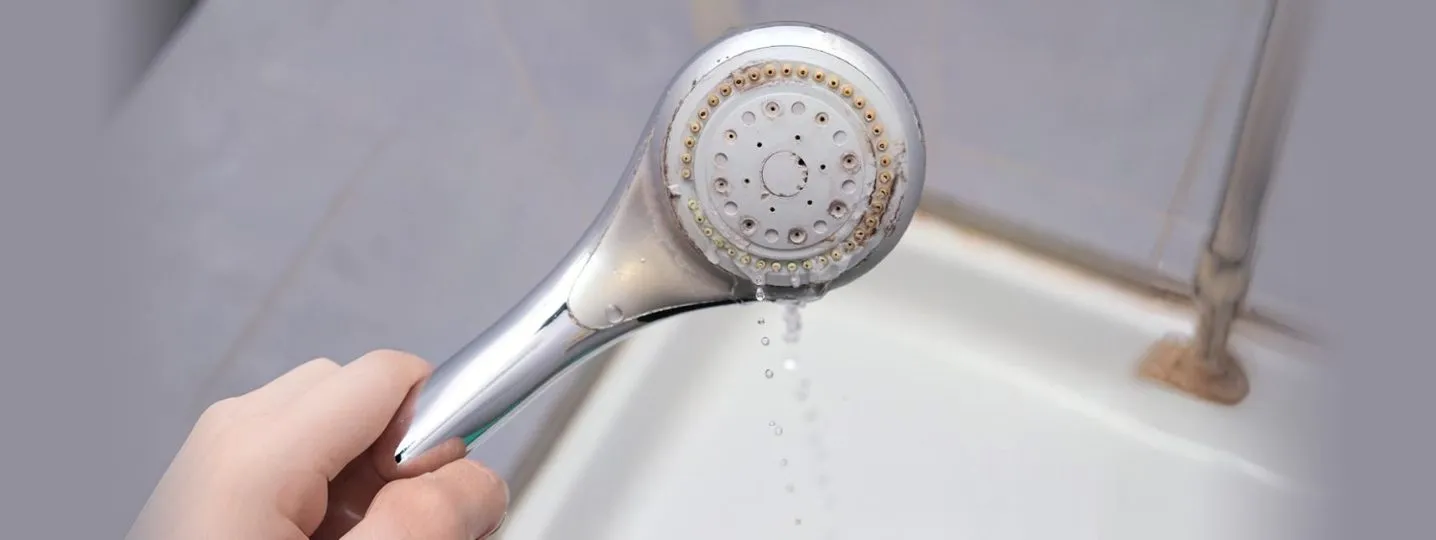
When minerals accumulate inside taps and showerheads, water flow becomes restricted. This causes:
- Uneven spray from showers
- Poor water pressure
- Blocked aerators
- Increased cleaning and maintenance
In many cases, homeowners mistakenly replace fixtures without realising the underlying cause is hard water.
Damage to Household Appliances
Appliances that use water are especially vulnerable. This includes:
- Dishwashers
- Washing machines
- Kettles
- Irons
- Coffee machines
- Water heaters
Mineral deposits affect efficiency and clog internal components. Manufacturers often warn that hard water can shorten appliance lifespan by as much as 30%.
Read More: Top 7 Plumbing Problems in Vaughan Homes (and When to DIY vs. When to Call Delta Plumbers)
Reduced Cleaning Efficiency
Hard water reacts with soap and detergents, preventing them from dissolving fully. This leads to:
- Soap scum in sinks and baths
- Clothes feeling rough after washing
- Dishes coming out cloudy or spotted
- Needing more detergent than usual
Not only is this inconvenient, but it also increases household expenses.
How Hard Water Affects Everyday Living
Beyond plumbing and appliances, hard water affects daily comfort and hygiene.
Dry Skin and Dull Hair
Mineral deposits leave residue on your skin and hair. This can cause:
- Skin dryness and irritation
- Exacerbated eczema
- Hair that feels flat or rough
- Itching and discomfort after showering
Many people notice a dramatic improvement when switching to softened water.
Bathroom and Kitchen Cleaning Becomes Difficult
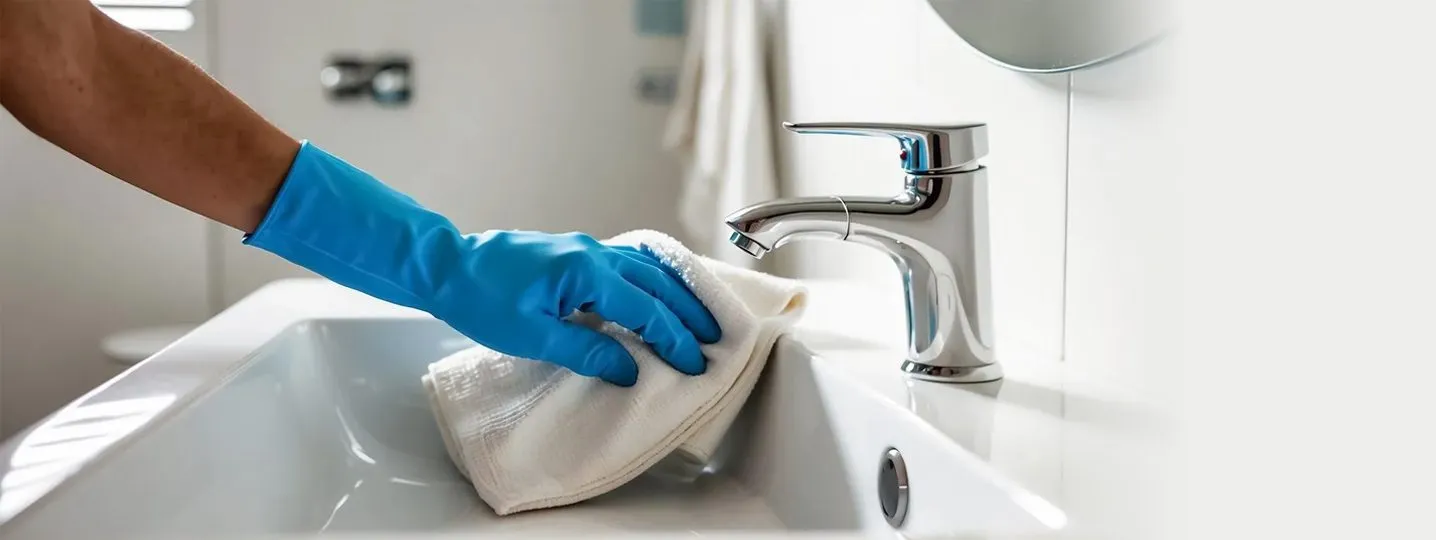
Limescale builds up in:
- Taps
- Tiles
- Glass shower screens
- Toilets
- Sinks
- Kettles
Removing it requires more time, effort, and cleaning products, which adds to household costs.
Higher Utility Bills
Hard water forces boilers and heaters to work harder, driving up gas and electricity costs.
The Best Solutions for Hard Water in Bolton
Several options can reduce or eliminate the impact of hard water. Some offer temporary relief, while others provide permanent protection.
Water Softeners (Best Long-Term Solution)
A water softener is the most effective way to eliminate hard water problems entirely. These systems remove calcium and magnesium through ion exchange, replacing them with sodium or potassium ions.
Benefits of Water Softeners
- Prevent limescale buildup in all pipes and appliances
- Improve water pressure
- Lower heating bills
- Extend the life of boilers and appliances
- Make soap and shampoo more effective
- Produce softer towels and cleaner dishes
- Reduce cleaning time
- Improve skin and hair condition
A softener protects your entire home, not just individual fixtures.
Read More: Protecting Your Pickering Home from Spring Runoff: Sump Pump Upgrades That Work
Is It Worth the Cost?
Most Bolton homeowners save money long-term through:
- Fewer boiler repairs
- Longer appliance life
- Lower energy bills
- Less cleaning product use
Water softeners are the most complete solution for hard water.
Water Conditioners and Scale Inhibitors
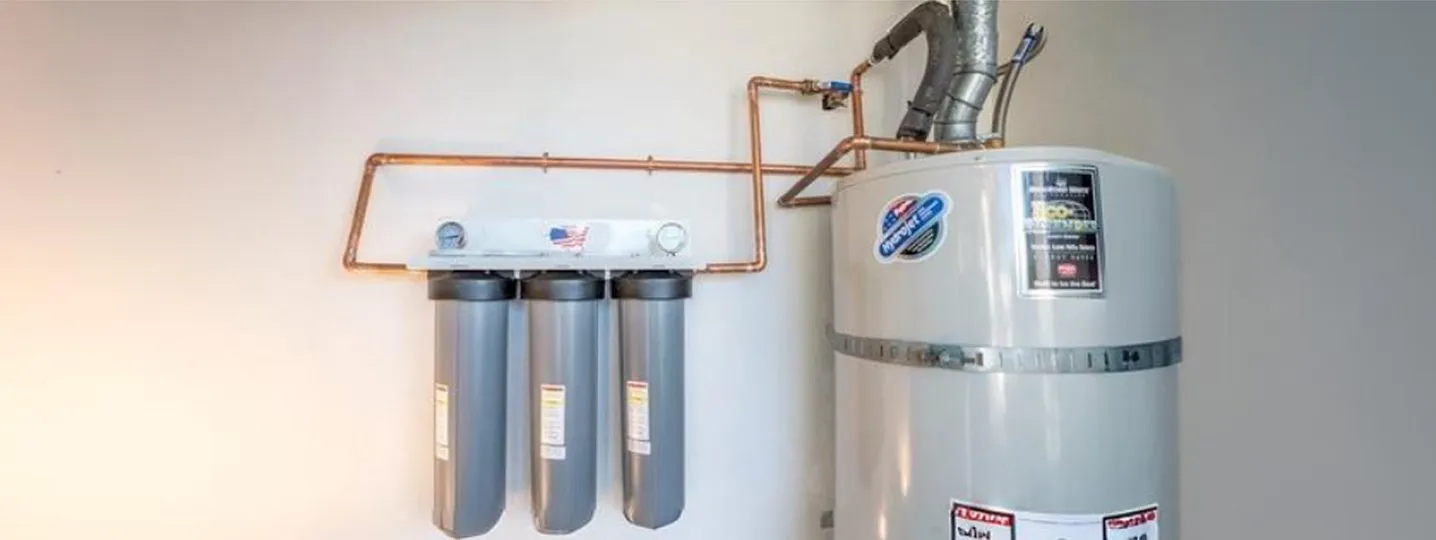
These devices do not remove minerals, but they change the way minerals behave so they are less likely to stick to surfaces.
Pros
- Lower cost
- Easier installation
- Reduce some scale buildup
Cons
- Do not provide truly soft water
- Do not improve soap lather
- Do not fully protect boilers
- Less effective in very hard-water regions like Bolton
Conditioners are helpful, but not a full solution.
Regular Descaling and Maintenance
Using descaling products helps remove existing minerals from:
- Kettles
- Showerheads
- Taps
- Appliance components
While useful, this approach only treats symptoms—not the root cause.
Magnetic or Electronic Scale Reducers
These devices use magnetic or electronic fields to alter mineral behaviour. They are inexpensive, but effectiveness varies.
They may reduce scale but will not eliminate hard water problems throughout your plumbing system.
Boiler Servicing and System Flushing
If your home has suffered from years of hard water exposure, you may need:
- A power flush
- A chemical flush
- Boiler descaling
- Annual servicing
These steps improve efficiency but do not prevent future limescale unless paired with a softener.
Why a Water Softener Is the Most Reliable Solution
Among all available options, only a water softener:
- Removes hardness minerals completely
- Protects plumbing and appliances long-term
- Improves comfort and water quality
- Reduces cleaning and maintenance
- Saves money over time
For Bolton homes, where hard water levels are consistently high, a water softener is the most practical, cost-effective solution.
Read More: Common Plumbing Challenges in Older Hamilton Homes (1920–1950)—And How We Fix Them
Conclusion:
Hard water is more than a minor inconvenience for homeowners in Bolton—it is a long-term threat to plumbing systems, boilers, fixtures, and everyday comfort. From limescale buildup in pipes to higher energy bills and premature appliance failure, the hidden costs and frustrations can quickly add up. Fortunately, solutions exist that can protect your home for years to come.
While descalers, conditioners, and magnetic devices can offer partial improvements, the only complete and lasting solution is a high-quality water softener. By removing hardness minerals at the source, a softener safeguards your plumbing system, extends the life of your appliances, improves water pressure, and creates a more comfortable living environment.
If you’re tired of scrubbing limescale from taps, battling cloudy dishes, or dealing with boiler issues caused by hard water, tackling the problem now is one of the best investments you can make for your home. With the right solution, you can enjoy cleaner, softer water—and greater peace of mind—for many years to come.
Ontario’s Trusted Plumbing Specialists — Serving London, Milton, Kingston & Pickering
At Delta Plumbers, we are proud to be a reliable choice for high-quality plumbing services across Ontario. Our team delivers fast, efficient, and professional solutions, whether you need urgent repairs, routine maintenance, or complete plumbing upgrades. Every job is handled by licensed professionals with a focus on excellence and customer satisfaction.
We proudly assist residential and commercial clients in:
London – Comprehensive plumbing repairs and preventative maintenance to ensure smooth and uninterrupted performance.
Milton – Quick response for emergency plumbing issues, installations, and system upgrades.
Kingston – Reliable same-day plumbing services for repairs, inspections, and scheduled maintenance.
Pickering – End-to-end plumbing solutions designed for both homes and business properties.
Wherever you are in Ontario, Delta Plumbers is dedicated to delivering prompt, dependable, and professional plumbing services — completed correctly the first time. Trust our experts to keep your plumbing system running at its best.