 Delta Plumbers
Water is one of the most precious resources on Earth, yet millions of gallons are wasted daily due to poor plumbing systems, leaks, and inefficient fixtures. Reducing water waste not only saves money on utility bills but also contributes to environmental conservation. Whether you’re a homeowner, tenant, or property manager, several simple and affordable plumbing tweaks can drastically reduce your water usage. In this comprehensive guide, we’ll explore proven methods and answer popular questions, including how to reduce water waste, how to cut water usage, and the biggest causes of water waste in your home.

Picture Source – Delta Plumbers
What Can You Do to Reduce the Wastage of Water?
The first step toward water conservation is awareness. Many households waste water without even realizing it. From leaky taps to inefficient toilets, minor issues can lead to major losses over time. Here are some of the most effective ways you can reduce water wastage at home:
1. Fix Leaky Faucets and Pipes Immediately
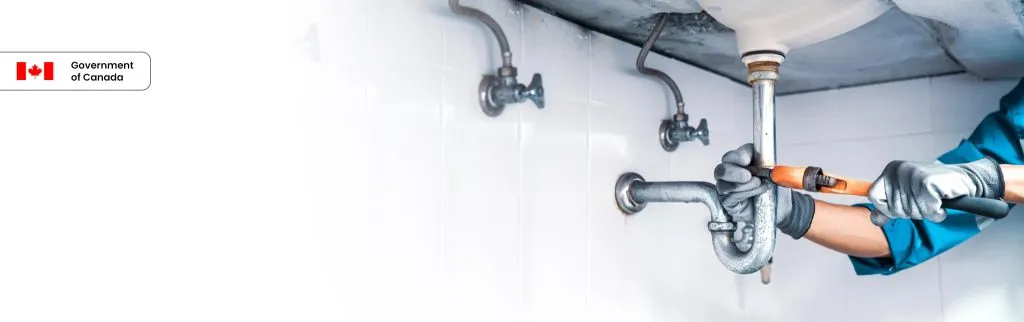
One of the simplest ways to save water is by fixing leaks. A dripping faucet can waste over 3,000 gallons of water per year. Likewise, a leaking pipe hidden under your sink or behind a wall could be wasting hundreds of litres daily. Conduct regular inspections, especially in areas like bathrooms, kitchens, and basements.
2. Install Low-Flow Fixtures
Switch your current faucets, showerheads, and toilets to low-flow models. These fixtures reduce the amount of water used without compromising performance. A standard showerhead can use up to 2.5 gallons per minute, while a low-flow one uses just 1.5 gallons.
3. Upgrade to Dual-Flush Toilets
Toilets are among the top sources of water waste. Installing dual-flush toilets gives you the option to use less water for liquid waste and more for solid waste. This can cut toilet water usage by over 60%.
4. Use Aerators on Faucets
Aerators screw onto the end of your faucet and mix air with the water flow. This reduces the volume of water used without affecting pressure.
5. Turn Off Taps When Not in Use
It sounds simple, but turning off the tap while brushing your teeth, shaving, or washing dishes can save hundreds of gallons each month.
Also Read: How to Install a Toilet Flange in 8 Steps: A Complete DIY Guide for Homeowners

Picture Source – Delta Plumbers
How to Reduce Water Waste?
Understanding where and how water waste occurs in your home is key to eliminating it. Reducing water waste can be accomplished by adopting better habits and installing water-efficient plumbing systems.
1. Regular Plumbing Maintenance
Schedule professional plumbing inspections at least once a year. A plumber can identify and fix minor leaks, faulty valves, and inefficient fixtures before they become costly.
2. Insulate Hot Water Pipes
When hot water takes longer to reach your taps, you waste water waiting. Insulating pipes reduces heat loss and speeds up delivery, meaning less water is wasted while waiting for hot water.
3. Install a Pressure-Reducing Valve
High water pressure might seem like a luxury, but it causes more water to be wasted and strains your plumbing system. Reducing pressure can cut water usage by 25-30%.
4. Upgrade to ENERGY STAR or WaterSense Appliances
Modern dishwashers and washing machines use significantly less water. Appliances labelled with WaterSense or ENERGY STAR are designed for maximum efficiency.
5. Harvest Rainwater for Outdoor Use
Installing a rain barrel system can help you collect rainwater for watering plants, washing cars, or cleaning. This reduces your reliance on tap water for outdoor tasks.
Also Read: How to Turn Off a Water Heater in 5 Steps: A Complete Ontario Homeowner’s Guide

Picture Source – Delta Plumbers
How Can I Cut Down on Water Usage?
If you’re serious about reducing your household water footprint, start by examining every water outlet and appliance in your home.
1. Take Shorter Showers
Reducing your shower time by just 2 minutes can save over 1,500 gallons of water per year. Use a shower timer or play a 5-minute song to help limit your shower duration.
2. Only Run Full Loads in Dishwashers and Washing Machines
Avoid running partial loads. Wait until the machine is full to maximize efficiency and reduce water waste.
3. Water Your Lawn in the Morning or Late Evening
Evaporation rates are lowest during these times, meaning your plants get more water and less is lost to the air.
4. Reuse Water Where Possible
Collect water used for rinsing vegetables to water plants. Use leftover water in glasses or bottles for your garden rather than dumping it down the drain.
5. Monitor Your Water Bill
Unexpected spikes in your water bill can indicate hidden leaks. Keep an eye on usage trends and investigate any anomalies.
Also Read: What Is a Sump Pump, and Do You Need One?

Picture Source – Delta Plumbers
How to Reduce the Water Flow from the Pipe?
Reducing the water flow from your pipes can be done in several easy and affordable ways, especially without compromising functionality.
1. Install Flow Restrictors
These devices are inserted into the pipe or faucet and restrict the volume of water released. They’re ideal for kitchens and bathrooms.
2. Adjust the Shut-Off Valve
The shut-off valve located under sinks and toilets can be slightly closed to reduce the water pressure and volume.
3. Use a Faucet Flow Regulator
A flow regulator helps maintain a consistent, reduced stream of water even at varying pressure levels.
4. Replace Showerheads with Water-Efficient Models
Modern low-flow showerheads can reduce water consumption by nearly 50% while still providing a satisfying shower experience.
5. Fix or Replace Old Pipes
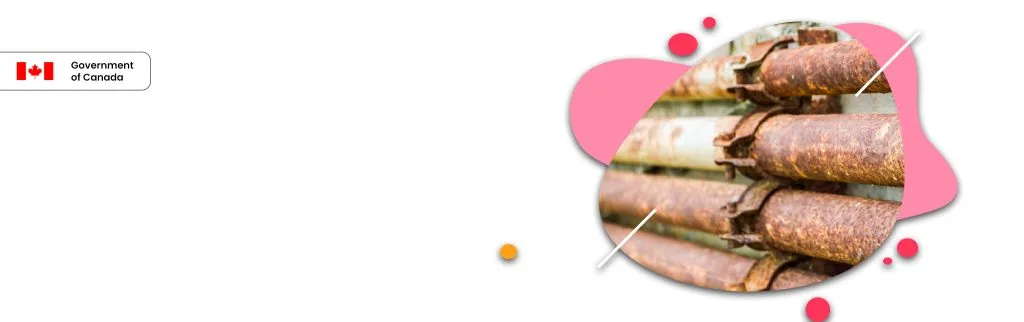
Old galvanized or copper pipes may have built-up sediment or corrosion that disrupts efficient water flow. Replacing them with PEX or PVC can optimize flow and reduce leaks.
Also Read: Drain Clearing vs. Drain Cleaning: What’s the Difference and Why It Matters

Picture Source – Delta Plumbers
How to Save Water in 10 Lines?
- Fix all dripping faucets and leaky pipes promptly.
- Turn off the tap while brushing or shaving.
- Use a low-flow showerhead and limit shower time.
- Run dishwashers and washing machines only when full.
- Install dual-flush toilets or use a toilet tank bank.
- Collect rainwater for the garden and outdoor use.
- Avoid overwatering lawns; water during cool hours.
- Check and adjust water pressure if it’s too high.
- Use water-saving appliances and faucet aerators.
- Educate your family and monitor usage regularly.
Also Read: Why Shower Leaks Happen, and How to Fix Them

Picture Source – Delta Plumbers
What Is the Biggest Cause of Water Waste?
The single biggest cause of water waste in residential settings is leaky plumbing fixtures, especially toilets. A silently leaking toilet can waste up to 200 gallons per day without detection. Here’s a breakdown of major water-wasting culprits:
1. Toilet Leaks
Worn flapper valves, float arms, or overflow tubes can cause silent leaks. Use food colouring in the tank to test for leaks—if the colour appears in the bowl without flushing, you have a leak.
2. Dripping Faucets
One drip per second adds up to more than 3,000 gallons per year per faucet.
3. Overwatering Lawns
Irrigating lawns too often or during peak sunlight hours causes excess evaporation and runoff.
4. Old, Inefficient Fixtures
Older models of toilets, showerheads, and appliances often use 2–3 times more water than modern alternatives.
5. Ignoring Small Plumbing Issues
Delaying minor plumbing repairs often leads to bigger leaks and significantly more water waste over time.
Also Read: Why Backwater Valve Installation is Important in Ontario

Picture Source – Delta Plumbers
How to Lessen the Amount of Water in the Toilet Bowl?
Reducing the water level in your toilet bowl not only saves water with every flush but can also help reduce your monthly utility bills. Here’s how:
1. Adjust the Float Valve
In most toilets, the float determines the water level. Lowering it can reduce the amount of water in the tank and bowl.
2. Use a Toilet Tank Bank or Bottle
Insert a filled water bottle or a tank bank into your toilet tank to displace water. This ensures less water is used per flush.
3. Install a Dual-Flush Mechanism
Dual-flush systems use less water for liquid waste and more for solid waste, optimizing each flush.
4. Replace the Flapper with an Adjustable One
Some flappers allow you to control how long they stay open, letting you customize the flush volume.
5. Use a Pressure-Assisted Toilet
These systems use air pressure to reduce the amount of water required per flush while improving performance.
Additional Tips for Reducing Water Waste in Your Home
Water conservation is a lifestyle change. Here are some bonus tips that go a long way in creating a water-wise home:
1. Teach Kids Early
Educate your children about the importance of water conservation. Encourage them to turn off taps and report leaks.
2. Install Smart Water Meters
Smart meters help monitor water usage in real-time and detect leaks before they become problematic.
3. Insulate Water Heaters
A properly insulated water heater reduces standby heat loss and ensures quicker hot water access, reducing waste.
4. Reuse Gray Water
Gray water from showers and sinks can be treated and reused for flushing toilets or irrigation.
5. Upgrade Plumbing System
If your home is more than 20 years old, consider replacing outdated plumbing components for better efficiency.
Conclusion –
Reducing water waste doesn’t have to be complicated or expensive. With a few simple plumbing tweaks, you can significantly lower your water consumption, save money on bills, and help preserve this vital resource. From fixing leaks and adjusting toilet levels to installing efficient appliances and educating your family, every action counts.
At Delta Plumbers, we specialize in water-efficient plumbing solutions. Our team can inspect your plumbing system, identify water waste sources, and implement eco-friendly upgrades that make a real difference. Whether you’re dealing with hidden leaks, outdated fixtures, or simply want to make your home more sustainable, we’re here to help.
Proudly Serving Ontario’s Top Cities
Delta Plumbers delivers expert plumbing solutions across Ontario. From leaky faucets to high-efficiency toilet installations, we’ve got you covered in:
We also serve areas like Markham, Vaughan, Barrie, London, Kitchener, Ajax, St. Catharines, Waterloo, and more.