 Delta Plumbers
In 2025, Canadian homeowners face a pivotal decision when it comes to plumbing upgrades or repiping projects: Should you go with traditional copper pipes or modern PEX (cross-linked polyethylene)? Both options have their unique advantages and disadvantages, and choosing the right one for your home isn’t always straightforward. At Delta Plumbers, we’ve helped hundreds of homeowners across Ontario make this decision with confidence, based on their budget, water quality, local building codes, long-term value, and plumbing goals. In this comprehensive guide, we’ll break down the core differences between copper vs PEX pipes, including performance, durability, lifespan, installation, cost, and real-world plumber preferences in 2025. Whether you’re planning a full repipe, tackling a renovation, or dealing with recurring leaks, this blog will equip you with everything you need to know.
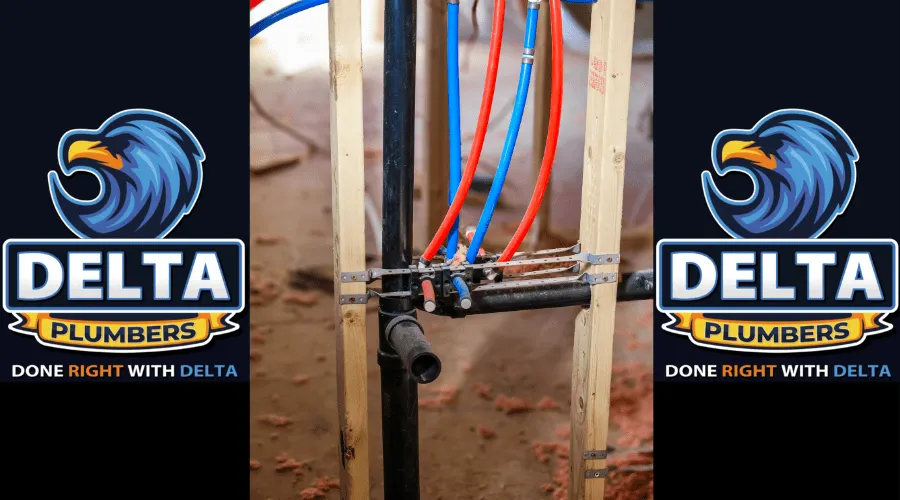
Picture Source – Delta Plumbers
Should I Repipe My House with PEX or Copper? 🤔🚿
One of the most common questions we hear from homeowners is: “Should I repipe my house with copper or PEX?” The short answer: It depends on your goals.
When to Choose PEX
PEX pipes are flexible, affordable, and fast to install. If you’re dealing with outdated galvanized steel or leaky polybutylene plumbing, PEX offers a low-disruption and cost-effective solution. It’s especially ideal for:
- Full-home repipes in older houses
- Areas with freezing temperatures
- Budget-conscious renovations
- Hard-to-reach piping replacements (e.g., behind walls or under slabs)
When to Choose Copper
Copper remains the gold standard in terms of durability and longevity. While more expensive, it’s often preferred in:
- Homes with high water pressure
- Municipalities with aggressive water chemistry
- Projects with long-term resale value in mind
- Exposed installations requiring aesthetic appeal
Key takeaway: PEX is often the go-to for cost and ease, but copper may win for long-term reliability and resale value.
Also Read: Shower Upgrades: Why You Should Replace Your Old Mixer Valve

Picture Source – Delta Plumbers
What Is the Life Expectancy of PEX vs. Copper Pipe? 📆🛠️
Plumbing is a long-term investment, so it’s essential to know how long your materials will last.
Copper Pipe Lifespan
Copper piping, especially Type L or Type K, can last anywhere between 50 to 70+ years under the right conditions. Some well-maintained homes in Ontario still have copper pipes functioning efficiently after 80 years.
However, copper is susceptible to corrosion, especially in areas with acidic water or high mineral content. Pinhole leaks or “pitting corrosion” can develop internally and cause sudden failures.
PEX Pipe Lifespan
PEX is newer to the game, but testing and real-world use suggest an average lifespan of 40 to 50 years, depending on water conditions, exposure to UV rays, and material quality. In Ontario, where sub-zero winters are common, PEX shines because it expands slightly when frozen, reducing the risk of burst pipes.
Summary:
- Copper: 50–70+ years (but susceptible to corrosion)
- PEX: 40–50 years (more freeze-resistant)
Also Read: Is Hydro Jetting Worth the Cost? Pros and Cons for Homeowners

Picture Source – Delta Plumbers
Do Plumbers Prefer PEX or Copper? 🧰👨🔧
Ask ten plumbers and you might get different answers, but trends show a clear shift in preference toward PEX piping—especially in residential projects.
Why Many Plumbers Prefer PEX:
- Faster Installation: Requires fewer fittings and can be “snaked” through walls.
- Lower Cost: Affordable material and less labour.
- Flexibility: Reduces the need for elbows, lowering friction and improving flow.
- Quieter: PEX doesn’t “ping” like copper during pressure changes.
Why Some Still Prefer Copper:
- Durability in Harsh Conditions: Stands up better to UV, rodents, and heat.
- Proven Track Record: Copper has been used for over 80 years.
- Insurance & Code: Some jurisdictions still favour or require copper piping.
At Delta Plumbers, our team works with both systems—and we’ll always recommend what’s best based on your water quality, plumbing layout, and long-term goals.
Also Read: Top Signs You Need a Professional Drain Cleaning in Ontario
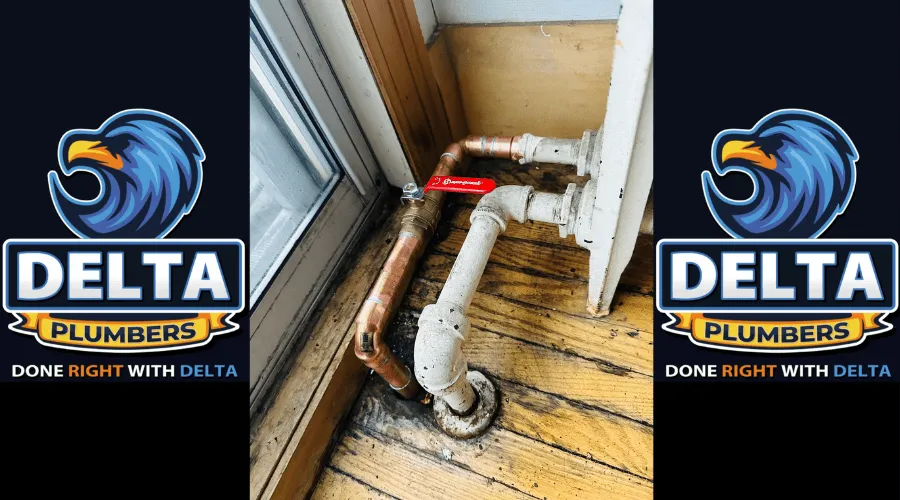
Picture Source – Delta Plumbers
Is It Worth Replacing Copper Pipes with PEX? 💡💧
This depends on the current condition of your copper system and your renovation plans.
When It’s Worth Replacing:
- You’re already opening walls for a renovation
- The copper is old and showing signs of pitting corrosion
- You’ve had multiple pinhole leaks or pressure issues
- You want better water pressure or flow
Replacing with PEX can be 50% cheaper than new copper piping and gives you peace of mind with fewer future repairs. It’s also quieter and often more efficient when installed in a home-run configuration with a central manifold.
When It’s Not Worth Replacing:
- Your copper pipes are still in excellent shape
- You’re not doing any major remodelling
- Your insurance or city code favours copper installations
Pro tip: Have a Delta Plumbers expert conduct a pressure test and internal camera inspection before deciding.
Also Read: Toilet Replacement Plumbing Service: Everything You Need to Know

Picture Source – Delta Plumbers
What Is the Best Pipe for Plumbing a House in 2025? 🏘️🚽
There’s no one-size-fits-all answer, but we can break it down by category:
| Feature | PEX | Copper |
| Cost | ✅ Lower | ❌ Higher |
| Ease of Installation | ✅ Flexible, fast | ❌ Requires soldering |
| Freeze Resistance | ✅ Slight expansion | ❌ Can burst |
| Lifespan | Good (40–50 years) | Excellent (50–70+ years) |
| Noise | ✅ Quiet | ❌ Can ping/pop |
| UV Exposure | ❌ Degrades in sunlight | ✅ Resistant |
| Rodent Resistance | ❌ Chewable | ✅ Not chewable |
In 2025, for most indoor, residential plumbing jobs in Ontario, PEX is the practical choice. But for high-end builds or homes with exposed piping, copper still holds its place.
Also Read: When to Repair vs Replace Your Water Heater – A Complete Guide for Ontario Homeowners

Picture Source – Delta Plumbers
Does PEX Leak More Than Copper? 💦⚠️
This is a valid concern—and one that’s often misunderstood.
Leak Risks with PEX:
- Improper installation (like crimp ring misalignment)
- Incompatible fittings
- UV degradation if exposed to sunlight
- Rodent damage (mice and rats can chew through it)
Leak Risks with Copper:
- Corrosion from acidic or hard water
- Pinhole leaks over time
- Solder joint failures due to age or pressure
Statistically, PEX systems leak more during installation, but less over time, especially when installed by professionals using expansion fittings (like Uponor ProPEX). Copper, while durable, is vulnerable to internal wear and corrosion that may not show symptoms until a leak forms.
Bottom line: Both systems are reliable when properly installed, but PEX is more forgiving during freezing winters and resists pressure surges better.
Also Read: Hidden Water Leaks: Signs, Risks, and What to Do

Picture Source – Delta Plumbers
What Is the Disadvantage of PEX? ⚠️🚫
PEX offers many benefits, but it’s not perfect. Here are some of the most important drawbacks to consider:
1. UV Sensitivity
PEX can’t be used outdoors or in areas exposed to direct sunlight. UV rays degrade the material, causing it to become brittle and crack.
2. Rodent Chewing
Rodents are known to chew through PEX if not protected or enclosed—an issue we’ve seen in attics and basements in Ontario.
3. Not Biodegradable
Unlike copper, which can be recycled, PEX is a plastic material that can’t be reused and contributes to long-term waste.
4. Code Restrictions
Some municipalities in Canada still have restrictions or insurance limitations on PEX installations, especially for potable water supply.
5. Lower Resale Perception
Certain homebuyers view copper as a premium material and may prefer it during resale evaluations.
Despite these drawbacks, many Ontario homes are switching to PEX in 2025—mainly due to the overall cost savings, fast installation, and long-term performance in freezing temperatures.
Conclusion –
So, what’s the best choice for your home?
| Scenario | Recommended |
| Budget-friendly repipe | ✅ PEX |
| Older home with corrosion | ✅ PEX |
| High resale value focus | ✅ Copper |
| Exposed or outdoor piping | ✅ Copper |
| Fast renovations | ✅ PEX |
| Harsh water conditions | ✅ Copper (Type L/K) or PEX with barriers |
At Delta Plumbers, we understand that plumbing upgrades are a major investment. Our licensed and insured team will assess your current system, water chemistry, and plans to recommend the best material for your unique situation.
Get Expert Help with Repiping in Ontario 🧰📍
Whether you’re building a new home, renovating your kitchen or bathroom, or repiping due to leaks or low water pressure, Delta Plumbers is here to help. We’ve proudly served homeowners across Ontario with reliable plumbing services for over a decade.
✅ Free plumbing inspections
✅ Detailed pipe material recommendations
✅ Fast, clean, and code-compliant installations
✅ Financing options available
Proudly Serving Ontario’s Communities 🚰🛠️
Delta Plumbers delivers expert plumbing solutions across Ontario. From faucet repairs to full system overhauls, we’ve got you covered in:
We also serve areas like Bowmanville, Niagara, Vaughan, Pickering, Mississauga, Barrie, St. Thomas, Port Perry, North York, Cobourg, and more.