 Delta Plumbers
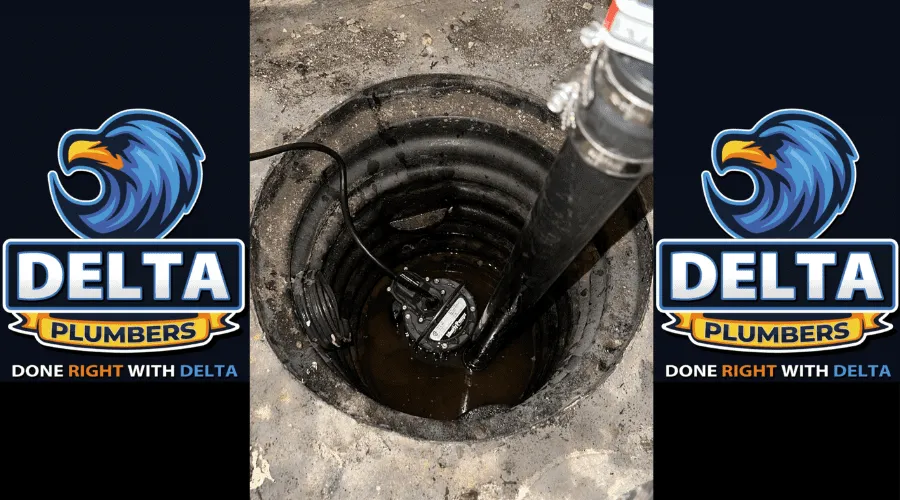
Homeowners in Ontario face frequent challenges when it comes to protecting their properties from water damage. With melting snow in the spring, sudden downpours in the summer, and heavy rainfall in the fall, water intrusion is more common than many realize. One powerful line of defence against basement flooding is the sump pump.
So, what is a sump pump? Is it mandatory in Ontario homes? Do you need one if you already have a drain in your basement? And how much does a sump pump installation cost? In this detailed guide, Delta Plumbers covers everything Ontario homeowners need to know about sump pumps—how they work, when they’re required by code, whether all homes have them, and the real cost of sump pump installation and replacement.
Picture Source – Delta Plumbers
Is a Sump Pump Required by Code in Ontario?
In Ontario, sump pump requirements are governed by the Ontario Building Code (OBC). According to Section 9.14 of the OBC, a sump pump is required if natural drainage by gravity is not feasible. This typically applies to homes that:
- Are located below the municipal sewer line
- Do not have access to gravity-based stormwater drainage
- Have high water tables or are in flood-prone areas
In other words, if water cannot be safely and effectively discharged from your foundation through gravity alone, a sump pump becomes a mandatory solution. The building code ensures that water collected from perimeter foundation drains (also known as weeping tiles) is appropriately managed. When gravity drainage can’t be achieved, the OBC requires that water be pumped to an acceptable discharge location.
Municipalities across Ontario have enforced this code to ensure homes are protected against basement flooding, particularly in low-lying or newly developed neighbourhoods. For newly constructed homes, local inspectors may deny occupancy permits if proper drainage, including sump pump installation, isn’t in place.
Failing to comply with these codes doesn’t just invite fines or construction delays—it leaves your home vulnerable to serious damage.
Also Read: When to Repair vs Replace Your Water Heater – A Complete Guide for Ontario Homeowners
Picture Source – Delta Plumbers
Do All Houses in Ontario Have Sump Pumps?
Not every home in Ontario has a sump pump. Whether or not a house includes one depends on several factors:
1. Age of the Property
Older homes (built before the 1980s) often relied solely on gravity drainage systems and weeping tiles. If they’re located on elevated land or in areas with excellent soil drainage, they may have never needed a sump pump. However, many older homes have since been retrofitted with sump pumps due to recurring basement flooding or city bylaw requirements.
2. Geographic Location
Homes built on low-lying land, near rivers, or in regions with high water tables (like parts of the GTA, Vaughan, Mississauga, and Barrie) are more likely to need sump pumps. Builders in these areas typically include them during construction.
3. Construction Code Updates
After 2017, many Ontario municipalities began enforcing sump pump installation more rigorously through updated building codes. As a result, most new homes built after this period are equipped with sump pumps and sometimes even include backup systems as a standard feature.
4. Municipal Incentives
Certain Ontario cities (such as Toronto and Ottawa) offer subsidy programs for homeowners to install sump pumps as part of flood prevention programs. These rebates have encouraged retrofitting sump systems in older homes.
So, while not every home currently has a sump pump, a growing number do—either out of necessity or as a proactive waterproofing measure.
Also Read: Hidden Water Leaks: Signs, Risks, and What to Do
Picture Source – Delta Plumbers
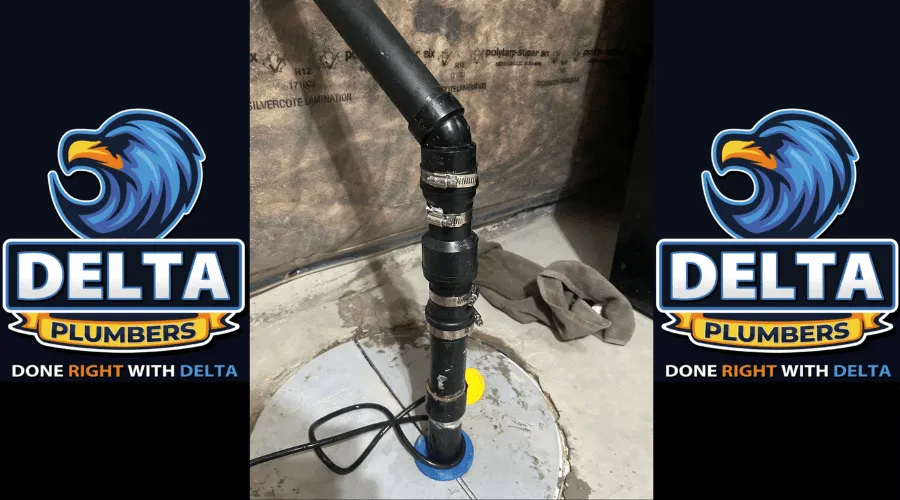
How Do You Determine If You Need a Sump Pump?
The decision to install a sump pump should be based on your home’s specific risk factors. Here’s how to assess whether you need one:
1. Check Your Basement After Heavy Rain
If water pools in your basement after rain or snowmelt, you likely need a sump pump. Even small amounts of standing water can indicate inadequate drainage.
2. Inspect for Moisture and Mould
Damp walls, musty odours, or visible mould growth are signs of chronic moisture issues. These are often caused by water seeping in from the ground, especially through foundation cracks. A sump pump can help keep your basement dry and reduce humidity.
3. Look at Your Property’s Slope
Homes built on sloped land with poor grading often experience water runoff directed toward the foundation. This increases the risk of water accumulation around the basement, especially in the spring. A sump pump helps prevent this water from entering your home.
4. Check with Neighbours
If other homes on your street have sump pumps or report flooding issues, chances are your home may need one as well. Neighbourhood topography and municipal drainage systems usually affect entire blocks or subdivisions in similar ways.
5. Finished Basement?
If your basement is finished—or if you’re planning to finish it—it’s highly recommended to install a sump pump. Protecting drywall, flooring, insulation, and electronics from potential water damage is worth the investment.
6. Historical Flooding
If your area has experienced flash floods or sewer backups in the past, investing in a sump pump isn’t just smart—it might be essential. You can even request a free flood risk assessment in some municipalities.
Delta Plumbers offers on-site consultations to determine if your home needs a sump pump system and what size and type would be best suited.
Also Read: Common DIY Plumbing Mistakes That Cost You More
Picture Source – Delta Plumbers
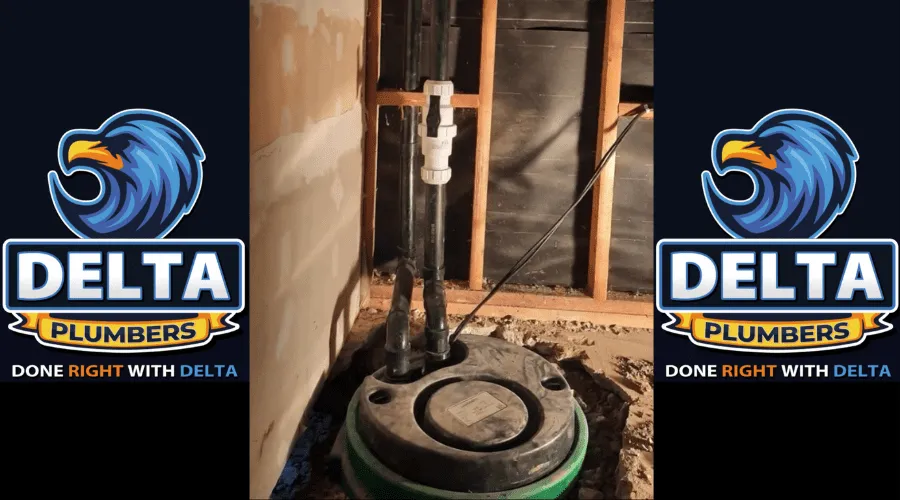
Do I Need a Sump Pump If I Have a Drain?
This is a common question among homeowners. The short answer: having a floor drain is not enough.
Why a Floor Drain Alone May Not Be Enough:
- Gravity Limitations: Drains rely on gravity to carry water away. If the water level outside is higher than the drain, water can backflow into your basement.
- Clogs and Backups: Floor drains can become blocked with debris, leading to standing water and slow drainage.
- Overwhelmed Sewer Systems: In extreme weather, municipal storm drains may overflow, rendering your gravity-fed system useless.
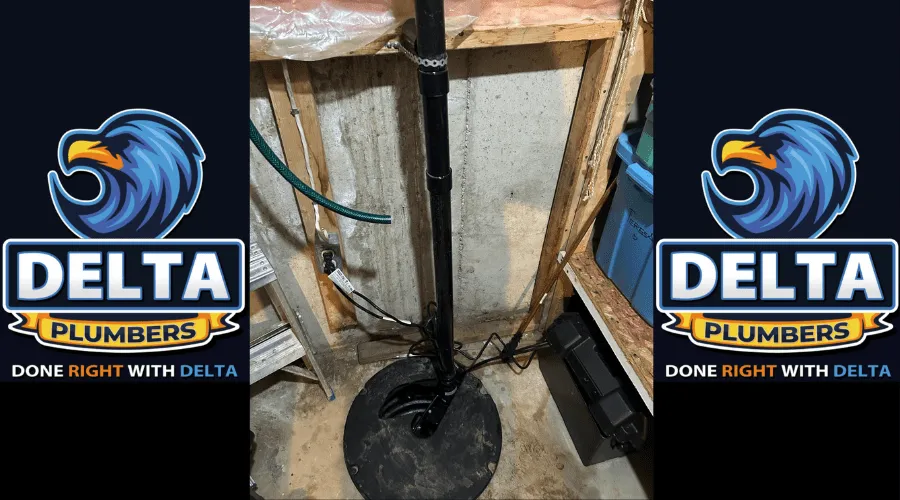
In contrast, it is an active system. It doesn’t rely on gravity. When installed properly, it will remove water before it becomes a problem, regardless of the state of your city’s sewer infrastructure.
Many modern homes include both systems for redundancy. The floor drain serves minor overflow or appliance leaks, while the sump pump provides flood protection during storms or high-water events.
Also Read: How to Tell if You Need a Drain Pipe Replacement
Picture Source – Delta Plumbers
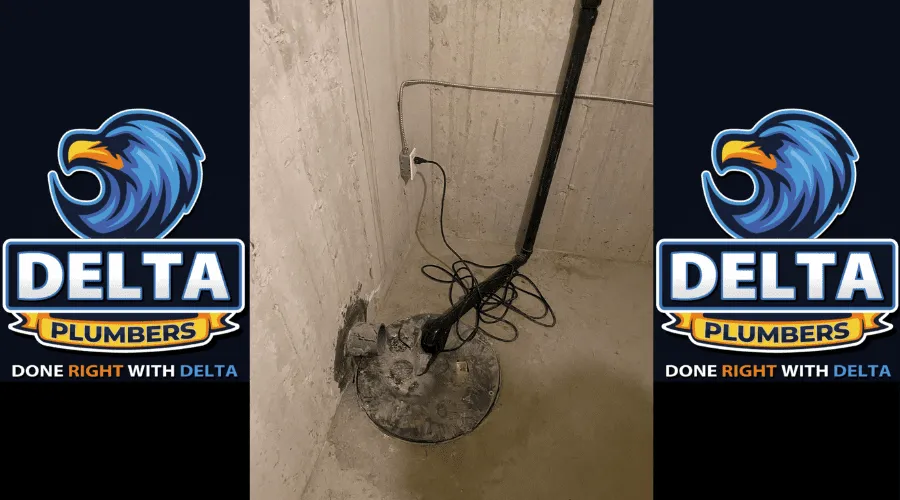
Is It Okay to Not Have a Sump Pump?
It depends. In some cases, it may be okay, but in others, it could be risky:
Okay:
- You live on high ground with sandy, fast-draining soil
- Your home has never shown signs of water intrusion
- Your foundation is well-sealed, and you have an effective perimeter drainage system
Risky:
- You live in a floodplain or low-lying area
- Your basement is finished
- You’ve noticed any past dampness, pooling, or mould
- You rely solely on a gravity-based floor drain
Not having a sump pump in a vulnerable area is like driving without insurance. Everything seems fine until a single storm overwhelms your basement. And the consequences can be catastrophic—water damage leads to warped floors, ruined drywall, destroyed furniture, and even foundation issues.
Furthermore, certain home insurance providers may deny flood damage claims if it’s proven that a sump pump could have prevented the incident. Not installing one can cost you thousands down the road.
Also Read: Bathroom Plumbing Upgrades That Add Real Value to Your Home
Picture Source – Delta Plumbers
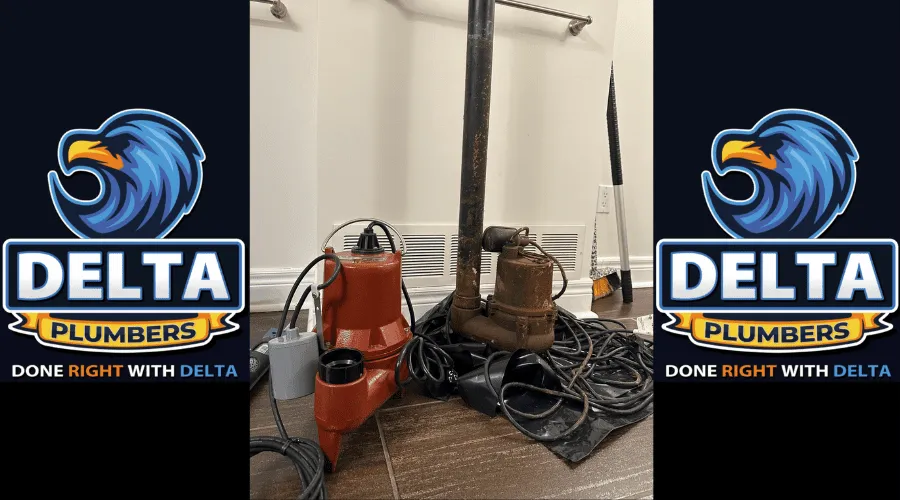
When Did Sump Pumps Become Mandatory in Ontario?
Sump pumps weren’t always a standard in Ontario homes. Their widespread adoption coincided with increased awareness of climate change, rising water tables, and more extreme weather patterns.
The Ontario Building Code (OBC) started requiring sump pumps in certain construction scenarios in the early 2000s. However, enforcement intensified after 2017, when new amendments to the OBC emphasized the importance of adequate foundation drainage and water control systems.
Key milestones:
- Pre-1980s: Most homes used weeping tiles and gravity drainage.
- 1990s–2000s: Sump pump usage grew in subdivisions with high water tables.
- 2017–Present: Stricter municipal enforcement of sump pump installation in flood-prone areas and in homes with below-grade plumbing fixtures.
Some cities—like Toronto, Ottawa, Mississauga, and Hamilton—have even passed bylaws that enforce sump pump installation during renovations or basement finishing projects.
So, while there is no province-wide law saying “every home must have a sump pump,” it is effectively mandatory in situations where gravity drainage isn’t viable.
Also Read: Prepare Your Plumbing for Ontario’s Summer Storms
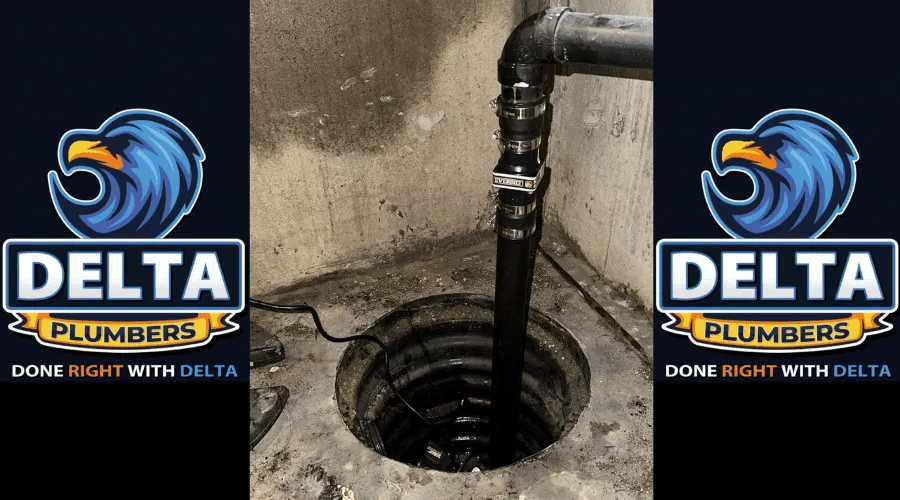
Picture Source – Delta Plumbers
How Expensive Is a Sump Pump?
The cost of sump pump installation in Ontario varies based on several factors, including the type of pump, site conditions, and whether you’re retrofitting or building new.
Breakdown of Costs:
| Component | Cost Range (CAD) |
| Basic Pedestal Sump Pump | $150 – $300 |
| Submersible Sump Pump | $200 – $600 |
| Battery Backup System | $200 – $500 |
| Installation (Labour) | $800 – $1,500 |
| Concrete Removal & Pit Creation | $300 – $800 |
| Total Estimated Installation | $1,200 – $2,800 |
Additional Factors:
- Backflow preventers, required in some municipalities, may add $200–$400 to the bill.
- Sump pit excavation in an older home may involve concrete cutting and add extra labour hours.
- Annual maintenance costs are relatively low, usually $100–$250 for inspection and cleaning.
Many Ontario homeowners offset these costs with city rebates or insurance discounts. Investing in a reliable system now can prevent thousands in flood-related repairs later.
Delta Plumbers offers free quotes and affordable sump pump installation packages tailored to your home’s unique needs.
Conclusion –
In today’s climate, a sump pump is no longer optional—it’s essential. Whether required by Ontario building code or simply a smart homeowner strategy, installing a sump pump offers peace of mind, increases property value, and protects against the devastating effects of flooding.
At Delta Plumbers, we’ve helped thousands of Ontario residents safeguard their homes with high-quality systems. Whether you need installation, replacement, or a second opinion, our licensed and experienced plumbers are just a call away.
Proudly Serving Ontario’s Communities 🚰🛠️
Delta Plumbers delivers expert plumbing solutions across Ontario. From faucet repairs to full system overhauls, we’ve got you covered in:
We also serve areas like London, Whitby, Bolton, Richmond Hill, St. Catharines, Port Perry, Chatham, Cobourg, Vaughan, Hamilton, and more.