 Delta Plumbers
Ontario homeowners are no strangers to unpredictable weather, heavy rainfall, and aging municipal sewer systems—conditions that can easily lead to costly basement flooding and water contamination if the proper protections aren’t in place. Among the most effective solutions are backwater valves and backflow preventers—two essential components that play a vital role in protecting your property and health. Whether you’re building a new home or retrofitting an older one, understanding the importance of these plumbing devices is crucial for safeguarding your investment and complying with Ontario’s building regulations. In this comprehensive guide, we’ll walk you through why backwater valve installation is so important in Ontario. We’ll cover whether it’s mandatory by law, its function and benefits, how it differs from a backflow preventer, associated costs, and what could go wrong if you don’t install one.
Picture Source – Delta Plumbers
Is a Backwater Valve Mandatory in Ontario?
In Ontario, the installation of backwater valves is governed by the Ontario Building Code (OBC), which serves as the foundational legal framework for construction and plumbing practices across the province. Section 7.4.6.4 of the OBC stipulates that a backwater valve may be installed on the building drain to prevent reverse flow, provided the valve is a normally open type and the drainage system serves only one dwelling unit. This is especially relevant when plumbing fixtures are located below the level of the adjoining street and are therefore more susceptible to sewer backup.
While the OBC sets the baseline, individual municipalities often have their bylaws that enforce stricter rules. For instance, the City of Ottawa requires all new single, semi-detached, townhomes, and row houses to include a backwater valve as part of standard construction. Similarly, municipalities like Collingwood and London have adopted similar mandatory backwater valve installation policies. This layered regulation ensures that homes most at risk are properly protected, especially in flood-prone or low-lying areas.
Thus, while not every home in Ontario is legally required to have a backwater valve, many are due to local bylaws, and nearly all homes with basement plumbing below street level are either required or strongly encouraged to install one.
Also Read: Shower Upgrades: Why You Should Replace Your Old Mixer Valve
Picture Source – Delta Plumbers
Why Do You Need a Backwater Valve?
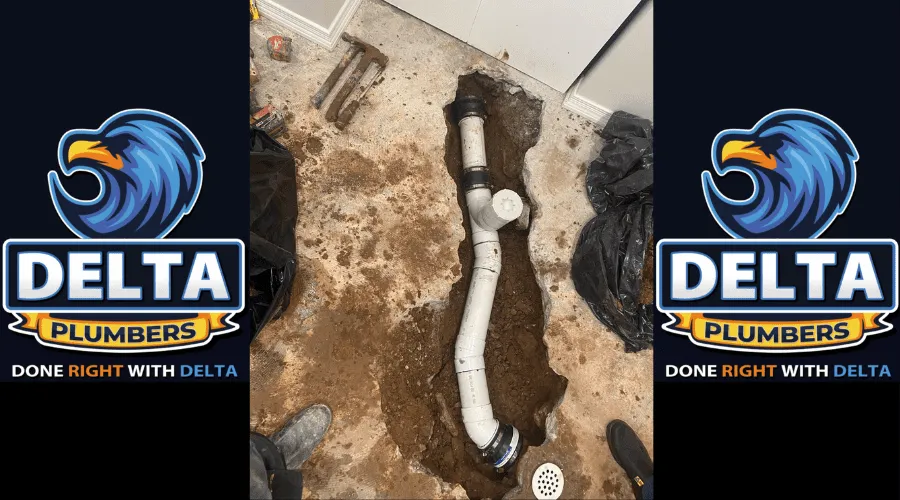
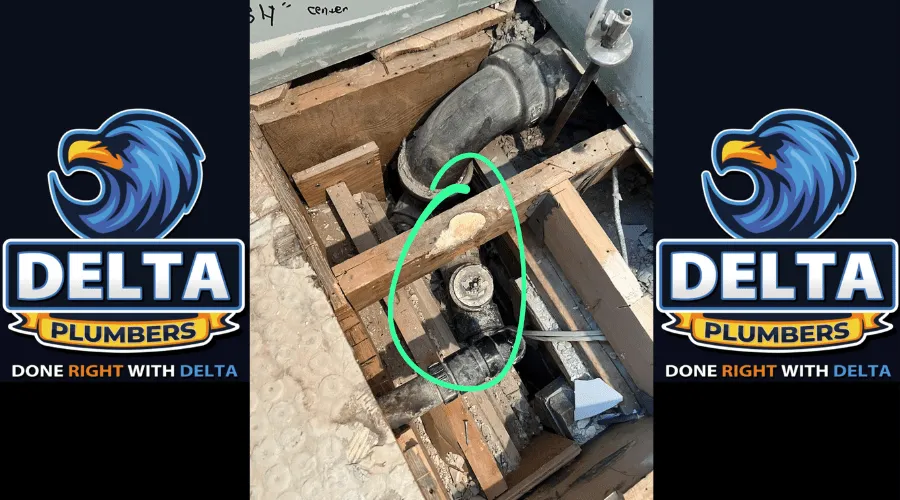
Backwater valves prevent wastewater from the municipal sewer system from flowing back into your home. This usually occurs during heavy rainfall, rapid snowmelt, or system overload when sewers become overwhelmed. In such cases, without a backwater valve, there is nothing stopping sewage from backing up through floor drains, toilets, and sinks, causing extensive property damage.
The need for a backwater valve becomes even more pressing if your home has a finished basement or contains expensive appliances and furnishings. Sewage backups not only cause structural and material damage but also introduce harmful bacteria and pathogens into the home. This can lead to health issues, costly repairs, and the need for professional remediation services.
Installing a backwater valve is a simple yet powerful way to protect your investment and avoid the traumatic experience of sewer backup. It gives homeowners peace of mind and is often a requirement for flood insurance eligibility in high-risk areas.
Also Read: Is Hydro Jetting Worth the Cost? Pros and Cons for Homeowners
Picture Source – Delta Plumbers
Why Is It Important to Install a Backflow Preventer?
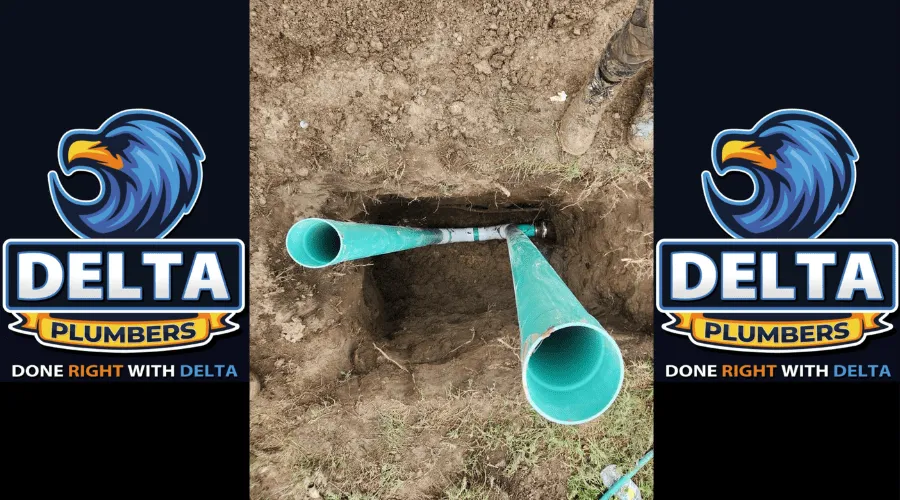
While backwater valves protect against sewer backups, backflow preventers serve a different but equally vital role—they protect your potable (drinking) water from contamination. A backflow event occurs when the water pressure in your home drops unexpectedly, allowing potentially contaminated water to flow backward into the clean water supply.
Backflow can be caused by broken water mains, pump failures, or even during firefighting operations when hydrants are in use. In the absence of a backflow preventer, chemicals, pesticides, and bacteria can enter your drinking water through garden hoses, irrigation systems, or industrial processes connected to your water line.
Installing a backflow preventer ensures that your drinking water remains safe. This is particularly important in commercial buildings and residential homes with features like irrigation systems, pools, or boilers. Ontario’s plumbing code mandates backflow prevention in various circumstances, especially where there is a moderate to severe risk of contamination. Neglecting this installation can lead to severe health hazards, legal liabilities, and costly rectifications.
Also Read: Top Signs You Need a Professional Drain Cleaning in Ontario
Picture Source – Delta Plumbers
How Much Does It Cost to Install a Backwater Valve in Canada?
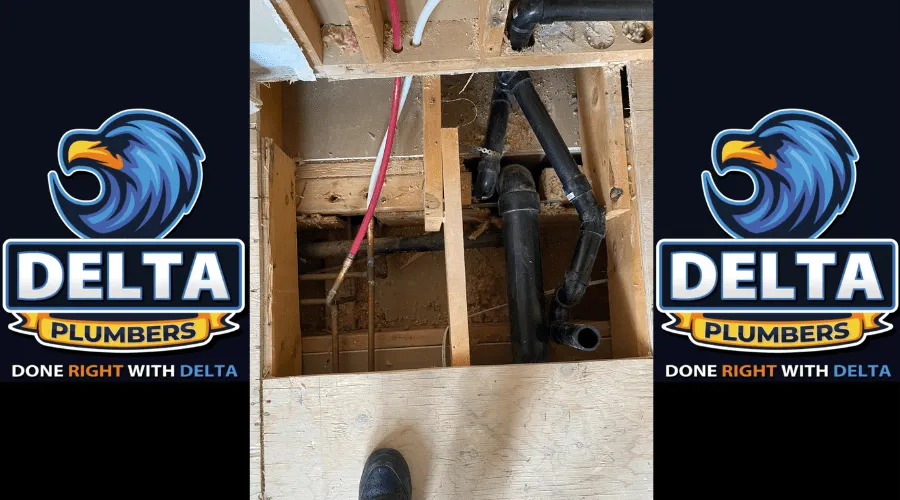
The cost of backwater valve installation in Canada varies based on the complexity of the job, location, and whether it is part of a new construction or a retrofit in an existing home.
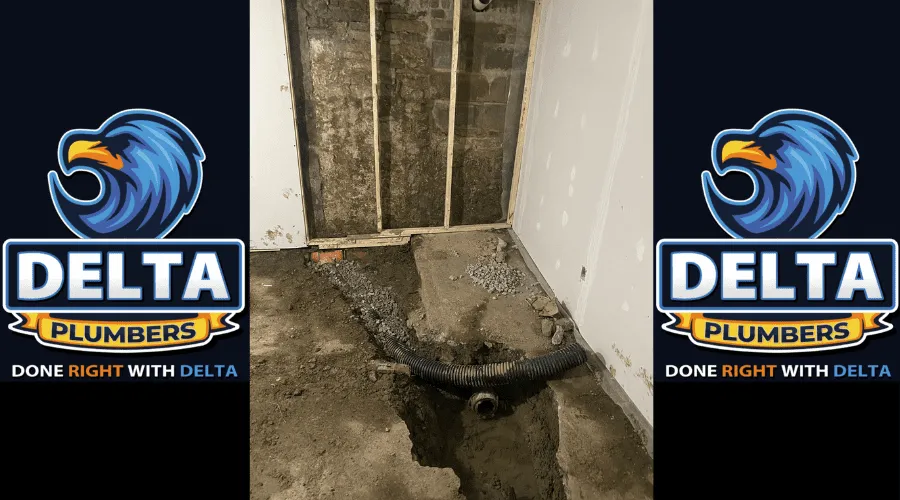
For new builds, installation is straightforward and typically costs between $150 and $300, as the valve can be integrated during the construction of the plumbing system. On the other hand, retrofitting a backwater valve into an existing structure is more labour-intensive, often requiring concrete cutting, pipe modifications, and permits. This type of installation can range from $1,600 to $4,200, depending on accessibility and the extent of excavation required.
Many municipalities in Ontario offer financial assistance to encourage homeowners to install backwater valves. For example, the City of Toronto’s Basement Flooding Protection Subsidy Program offers up to $1,250 toward installation. These subsidies make it more affordable for homeowners to take proactive measures against flooding, ultimately reducing the burden on municipal infrastructure.
Also Read: Toilet Replacement Plumbing Service: Everything You Need to Know
Picture Source – Delta Plumbers
Is a Backflow Preventer Required by Code in Ontario?
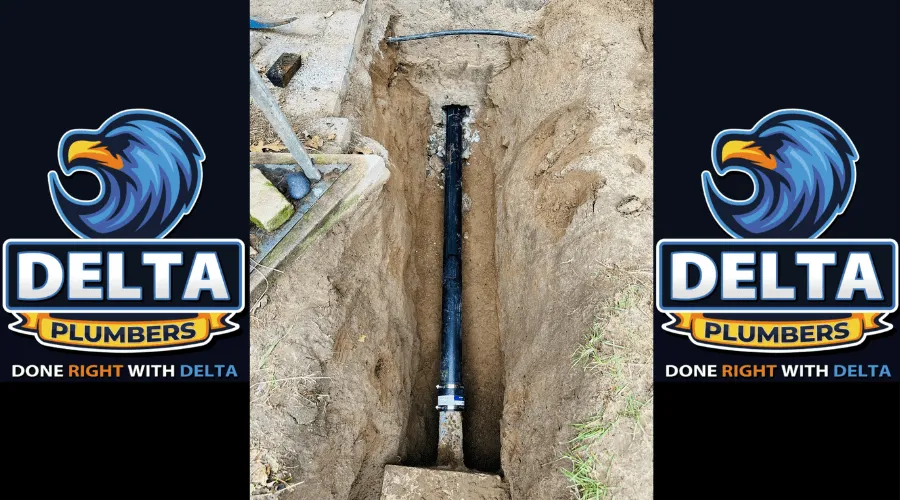
Yes, the Ontario Building Code and various municipal bylaws mandate the use of backflow preventers under certain conditions. Section 7.6.2.6 of the OBC requires the installation of a backflow prevention device when contaminants could enter the potable water system, especially in commercial properties or homes with systems like irrigation or pools.
Municipalities like Vaughan and Newmarket have implemented Backflow Prevention Programs that require property owners to install, maintain, and regularly test these devices. Non-compliance can result in fines, water service disconnection, and increased liability in case of contamination.
The objective is to safeguard public health by ensuring that the clean water supply is protected from any potential pollutants. These regulations reflect growing awareness of environmental and health-related concerns linked to water quality. Therefore, backflow preventers are not just advisable—they are a legal and ethical obligation for certain property types.
Also Read: When to Repair vs Replace Your Water Heater
Picture Source – Delta Plumbers
What Happens If You Don’t Have a Backflow Preventer?
Failing to install a backflow preventer can result in the contamination of your drinking water supply. If the water pressure drops, dirty water from external sources—such as garden hoses, pools, or sewers—can siphon back into your home’s potable water system. This cross-contamination can lead to serious health risks, including gastrointestinal infections and exposure to harmful chemicals.
In commercial or industrial settings, the consequences are even more severe. A single backflow incident could result in contamination affecting multiple units or even a community water supply, leading to shutdowns, liability claims, and reputational damage.
Moreover, insurance companies may refuse coverage for water contamination damages if they determine that the homeowner failed to install a required backflow preventer. Therefore, the lack of this simple device could lead to extensive financial and health-related repercussions.
Also Read: Hidden Water Leaks: Signs, Risks, and What to Do

Picture Source – Delta Plumbers
Do All New Homes Have Backwater Valves?
Builders in Ontario don’t automatically install backwater valves in all new homes. Although many municipalities require them for new construction, the province hasn’t mandated it across the board. Cities like Ottawa, London, and Collingwood enforce local building codes that make backwater valves mandatory in all new residential units. However, in other areas, the responsibility may fall on the homeowner or builder to request or implement this safeguard.
Builders are increasingly incorporating backwater valves as standard practice due to their low cost and high protective value. However, prospective homebuyers should always verify the presence of a backwater valve during inspections or request documentation from the builder. The absence of one could leave the property vulnerable to future sewer backup events and may complicate insurance coverage.
Given the rising frequency of extreme weather and flooding events, all new homeowners should install a backwater valve, even if their area doesn’t legally require it.
Conclusion
The installation of backwater valves and backflow preventers is essential for protecting Ontario homes from two major threats: sewer backups and potable water contamination. These devices not only provide peace of mind but also comply with building codes and municipal regulations.
Homeowners who neglect to install them risk costly damage, health hazards, and potential legal and insurance issues. Given the availability of subsidies and growing climate unpredictability, there has never been a better time to invest in these crucial plumbing safeguards.
At Delta Plumbers, we are experts in the installation and maintenance of backwater valves and backflow preventers across Ontario. Schedule a consultation with us today and protect your home against both internal and external water threats.
Proudly Serving Ontario’s Communities 🚰🛠️
Delta Plumbers delivers expert plumbing solutions across Ontario. From faucet repairs to full system overhauls, we’ve got you covered in:
We also serve areas like Ajax, Pickering, Mississauga, Aurora, Whitby, Scarborough, Kleinburg, Oakville, Ottawa, Guelph, and more.