 Delta Plumbers
9 Plumbing Problems: From Leaks to Toilet Replacement
Plumbing problems often begin with small changes. A toilet may drain more slowly. A pipe may start dripping. Water may collect under a sink, or a shower may stop working the way it normally does. These early signs can point to developing problems inside the plumbing system.
Ignoring these changes can lead to water damage, blocked drain lines, fixture failure, or a more urgent repair. Knowing what to watch for can help homeowners respond early, protect surrounding materials, and decide when a professional plumber should inspect the problem.

Slow Draining Sinks, Tubs, or Showers
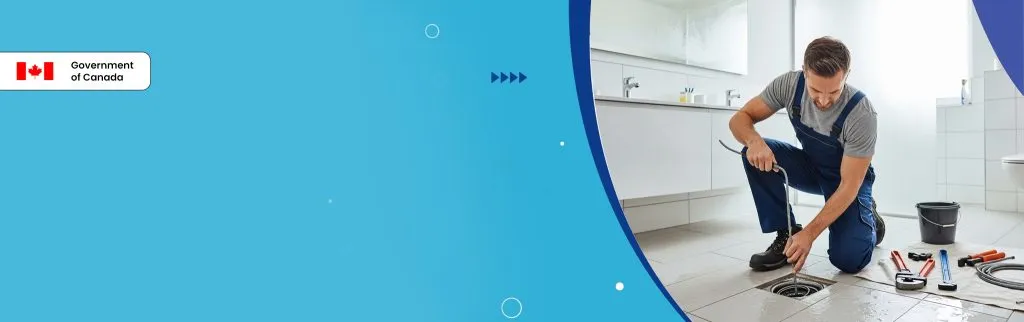
Slow drainage often means something is limiting water flow through a drain pipe. Hair, soap residue, grease, food particles, and mineral deposits can collect gradually and reduce the open space inside the line.
A kitchen sink may drain slowly when grease or food waste builds up farther down the pipe. Bathroom sinks, showers, and tubs often collect hair and soap residue. If cleaning the visible drain does not restore normal flow, the restriction may sit deeper inside the plumbing.
Pipe condition also matters. Loose, cracked, corroded, or damaged piping can affect drainage and allow water to escape around connections. A plumber may need to fix drain pipe sections when clearing buildup alone will not solve the problem.

Frequent Clogs That Keep Coming Back
An occasional clog can happen in almost any home. Repeated clogs are different. When the same fixture blocks again after plunging or basic cleaning, the underlying cause may still be inside the fixture or drain line.
Recurring clogs can point to:
- A deeper obstruction: Paper, hair, grease, or another material may remain farther inside the line.
- Narrowed drain lines: Mineral deposits or buildup can reduce the space available for water flow.
- Fixture problems: A toilet trap, drain connection, or another component may restrict normal drainage.
A clogged toilet plumber can inspect the fixture when the same toilet keeps blocking. Repeated problems around the toilet bowl may require more than plunging, especially when water rises close to the rim before draining.
Gurgling or Bubbling Sounds From Drains
Unusual drain noises can signal restricted movement inside the plumbing system. Gurgling, bubbling, or glugging may happen when water and air struggle to move through a partially blocked line.
Common situations include:
- A sink gurgles after draining: A restriction may be affecting airflow in the drain.
- A toilet bubbles when another fixture runs: Connected drain lines may be struggling to move water normally.
- Several fixtures make noise: The problem may involve a larger section of drainage piping.
These sounds do not identify the exact cause by themselves. However, repeated noise combined with slow drainage or standing water gives homeowners a stronger reason to arrange an inspection.
Foul or Persistent Drain Odors
Persistent odours from a sink, shower, or drain can indicate buildup or standing water inside the plumbing. Cleaning the visible opening may not remove material located deeper in the line.
Common causes include:
- Food buildup: Food waste can collect inside kitchen drain lines and begin to smell.
- Grease residue: Grease can coat the inside of piping and trap other debris.
- Hair and soap deposits: Bathroom drains can hold organic material that breaks down over time.
- Standing water: Poor drainage can leave water sitting inside a trap or line longer than normal.
If the smell returns soon after cleaning, a deeper plumbing issue may be present. A professional plumber can inspect the drain and determine whether cleaning, pipe repair, or another service is needed.
Water Backing Up Into Sinks, Tubs, or Toilets
Water that rises through a fixture instead of draining away deserves prompt attention. A backup can happen when a blockage stops normal flow through the drain line. In some cases, using one fixture may push water into another connected fixture.
A toilet may rise toward the rim, or water may appear in a bathtub after another fixture drains. Avoid repeatedly flushing a full toilet because another flush may send water onto the floor and increase water damage.
If a backup spreads quickly, homeowners may also need to turn off the water to the affected fixture when it is safe to do so. A plumber can determine whether the restriction affects one fixture, a branch drain, or a larger part of the plumbing system.
Multiple Drains Clogging at the Same Time
One slow drain often points to a local problem. Several slow or blocked drains at the same time can indicate a larger restriction.
For example, a kitchen sink, toilet, and shower that all begin draining poorly may share part of the same drainage system. Running water in one area may cause another fixture to gurgle or back up.
A professional plumber can trace the symptoms and identify which drain lines are affected. Correct diagnosis helps avoid treating several fixtures separately when one deeper obstruction is causing all of the problems.

Overflowing or Slow-Filling Floor Drains
Floor drains help manage water in basements, laundry areas, utility rooms, and other spaces where standing water may collect. A slow floor drain can become more noticeable during heavy water use or another plumbing problem.
An overflowing floor drain can spread contaminated or dirty water across nearby surfaces. Addressing the restriction early can reduce cleanup and lower the risk of damage to flooring, stored items, or surrounding materials.
Increased Presence of Fruit Flies or Drain Flies
Small flies gathering around sinks or drains may indicate organic buildup inside the pipe. These insects are attracted to damp material, food residue, and moisture that remains inside drains.
Cleaning the visible sink or drain opening may reduce activity temporarily. If the insects return, the drain may still contain buildup farther inside the line. Removing the source can provide a better long-term result.
Older Plumbing Systems Need Closer Attention
Older plumbing materials can become more prone to leaks, restrictions, corrosion, and repeated repair needs. Changes may develop slowly, which makes routine checks useful even when fixtures still appear to work.
Common concerns include:
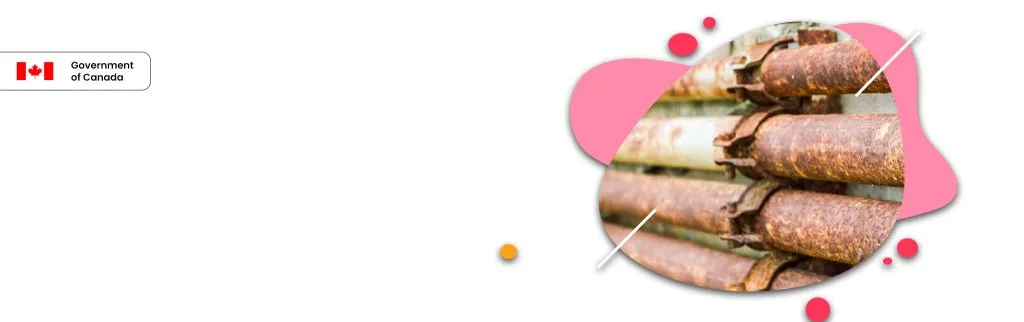
- Internal corrosion: Corrosion can narrow piping or weaken metal over time.
- Aging supply lines: Worn supply lines or a water supply line can begin leaking around valves and fittings.
- Repeated fixture problems: Older toilets, faucets, and showers may need more frequent repairs as internal parts wear.
Not every older fixture needs replacement. However, cracks, unstable mounting, repeated leaks, or ongoing flushing problems may make toilet replacement more practical than repeated repairs.

Water Stains, Damp Spots, or Mold Near Plumbing
Water stains, damp cabinets, damaged drywall, or moisture around a fixture can point to a hidden leak. A leaking shower may release water around the valve, base, drain, or supply connection. A homeowner may also notice peeling paint, a musty smell, or damp flooring near the bathroom.
Appliance supply lines can create similar problems. Fridge water plumbing should be checked when water appears beside or behind a refrigerator. Leaks can develop at the valve, tubing, fitting, or water supply line where the problem remains hidden from view.

Why Professional Plumbing Service Matters
Many plumbing issues produce similar symptoms. Water around a fixture may come from a drain connection, supply line, valve, seal, or damaged pipe. Proper diagnosis helps match the repair to the real source.
Professional plumbing service can help with:
- Finding hidden leaks: A plumber can check for leaks around fixtures, valves, supply lines, and enclosed connections.
- Restoring normal water flow: Drain restrictions, damaged piping, and fixture problems can all affect flow.
- Handling shower problems: A plumber fix shower service can inspect cartridges, valves, fittings, pressure, and temperature control.
- Repairing urgent pipe failures: Professional burst pipe repair can address damaged piping after water flow has been controlled.
- Diagnosing kitchen problems: Garbage disposal repair can address units that hum, leak, stop turning, or affect kitchen sink drainage.
Professional diagnosis can also reduce repeat repairs. Instead of replacing visible parts one step at a time, the plumber can inspect the connected plumbing and determine which repair addresses the actual cause.
Conclusion
Plumbing problems often provide warning signs before a major failure. Slow drains, repeated clogs, unusual sounds, drain odours, standing water, leaks, and fixture changes can all show that part of the system needs attention. Hot water problems, damaged pipes, and leaking supply connections also deserve prompt inspection when they affect normal use.
If you search for a Plumber Near Me, explain the symptoms clearly. Mention where the problem appears, which fixtures are affected, whether the issue is getting worse, and whether you have already tried to run water or shut off a fixture. Clear information can help the plumber prepare for the service visit and identify the cause more efficiently.
Ontario’s Trusted Plumbing Specialists — Serving Barrie, Burlington, Hamilton & Mississauga
Delta Plumbers provides plumbing support for homes and commercial properties across Ontario. Our plumbers handle leaks, clogged drains, fixture problems, pipe repairs, installations, and other plumbing concerns while explaining the available options before approved work begins.
Barrie – Plumbing repairs, drain service, fixture maintenance, and help with common household plumbing problems.
Burlington – Plumbing support for leaks, drainage concerns, fixture issues, and planned repair or replacement work.
Hamilton – Professional plumbing service for pipe problems, fixture repairs, drainage issues, and other residential or commercial needs.
Mississauga – Plumbing help for leaks, blocked drains, damaged piping, fixture problems, and general service needs.