 Delta Plumbers
When upgrading your plumbing system, most homeowners focus on looks, brand names, or fancy features—but few consider the one factor that determines how well a fixture performs: water pressure. Whether you’re installing a new showerhead, faucet, or dishwasher, the pressure of water flowing through your home will impact how effectively these fixtures work.
Choosing plumbing fixtures without understanding your home’s water pressure is like buying a high-performance car and never checking if the roads can handle it. Low pressure can turn a luxury shower into a trickle. High pressure can damage fixtures, waste water, and increase wear and tear.
In this guide, we’ll cover everything you need to know about how water pressure works, how to measure it, and how to choose plumbing fixtures that match your specific pressure levels, ensuring optimal performance and long-term durability.
Picture Source – Delta Plumbers
Understanding Water Pressure: What Is It and Why Does It Matter?
Water pressure is the force that moves water through your home’s plumbing system. Measured in pounds per square inch (PSI), it determines how fast and forcefully water flows out of your fixtures. While it may seem like a small detail, water pressure has a huge influence on both your plumbing performance and the lifespan of your fixtures.
Ideal PSI Range:
- Normal range: 40–60 PSI
- Low pressure: Below 40 PSI
- High pressure: Above 60 PSI
- Dangerously high: 80+ PSI (can damage pipes and appliances)
Effects of Low Pressure:
- Weak showers and slow sink filling
- Poor dishwasher and washing machine performance
- Difficulty in mixing hot and cold water evenly
- Toilet tanks take longer to refill
Effects of High Pressure:
- Water hammer (banging noise in pipes)
- Leaks or burst pipes
- Excessive water waste
- Premature wear on fixture seals and cartridges
Many homeowners in areas with aging infrastructure, elevation changes, or gravity-fed systems experience pressure issues without even realizing it. If you’ve ever wondered why one faucet blasts water while another barely drips, it’s likely a pressure problem.
Also Read: How to Install a New Outdoor Hose Bib or Faucet

Picture Source – Delta Plumbers
How to Measure Water Pressure in Your Home
Before choosing any plumbing fixture, it’s essential to know your home’s exact water pressure. Here are the best ways to measure it:
a) Use a Water Pressure Gauge (DIY Method)
- Purchase a gauge from any hardware store (~$10–$20).
- Screw it onto an outdoor hose bib or a laundry sink tap.
- Make sure no other water is running in the house.
- Open the faucet fully and read the dial.
This is the most accurate and affordable way to check your PSI at home. If the reading is under 40 PSI, you have low water pressure. If it’s over 60, you may need a pressure-reducing valve (PRV).
b) Ask Your Property Manager or Local Municipality
In condos or rentals, you may not have access to the main water lines. Contact your building maintenance or city water department—they often have this data available.
c) Hire a Licensed Plumber
For a thorough diagnosis (especially in large homes or commercial properties), a plumber can:
- Measure pressure at multiple outlets
- Check for pressure fluctuations
- Identify hidden issues like pipe corrosion or valve problems
- Recommend solutions such as PRV installation or pipe replacement
Pro Tip: Test pressure at different times of day. Municipal supply can fluctuate during peak hours.
Also Read: How to Clear a Clogged Bathtub Drain
Picture Source – Delta Plumbers
Fixtures for Low Water Pressure: What to Look For
If your pressure is below 40 PSI, standard fixtures won’t perform well. But don’t worry—there are plenty of fixtures specifically designed for low-pressure environments.
Key Features to Look For:
- Aerated flow: Adds air to water to increase velocity without more pressure.
- Narrow nozzles: Focus water into a tighter stream to boost performance.
- Low-bar rated valves: Fixtures marked with “0.2 bar” or “0.3 bar” minimum operating pressure.
- Wide inlet pipes: Allow more water to pass through even at low pressure.
Best Fixture Types:
- Low-pressure showerheads (e.g., Speakman Anystream, Hansgrohe Raindance)
- Mixer taps with smooth control for hot/cold blending
- Single-lever faucets (less resistance than dual-handle models)
- Wall-mounted faucets (fewer bends = less friction loss)
Recommended Brands:
- Hansgrohe EcoSmart
- Moen Magnetix
- Grohe BauEdge
- Kohler Alteo
Each of these brands offers models that work well at low PSI levels, ideal for older homes or buildings with tank-fed systems.
Avoid fixtures labelled “high-efficiency” if you have low pressure—they often restrict water flow too much.
Also Read: How to Reduce Water Waste with Simple Plumbing Tweaks

Picture Source – Delta Plumbers
Fixtures for High Water Pressure: What to Avoid (and What to Use)
If your water pressure exceeds 60 PSI, certain plumbing fixtures may not be safe or sustainable. High water pressure may feel luxurious, but it can also be damaging.
Problems with High Pressure:
- Noisy pipes (water hammer)
- Leaky faucets
- Burst hoses on dishwashers or washing machines
- Voided manufacturer warranties
Fixtures to Avoid:
- Plastic-body faucets – They’re less durable under pressure.
- Thin cartridge valves – More prone to cracks and leaks.
- Push-button controls – Can break or stick due to pressure surges.
Smart Fixture Choices:
- Brass-bodied faucets – More durable under high PSI
- Pressure-compensating aerators – Maintain consistent flow despite pressure surges
- Thermostatic mixing valves (TMVs) – Control temperature and flow
- Pressure-rated valves and fittings – Check PSI rating before purchase
Install a Pressure-Reducing Valve (PRV)
If your PSI is above 80, a PRV is essential. It installs where your main line enters the home and reduces the pressure across all fixtures.
Also Read: When to DIY and When to Call a Professional Plumber
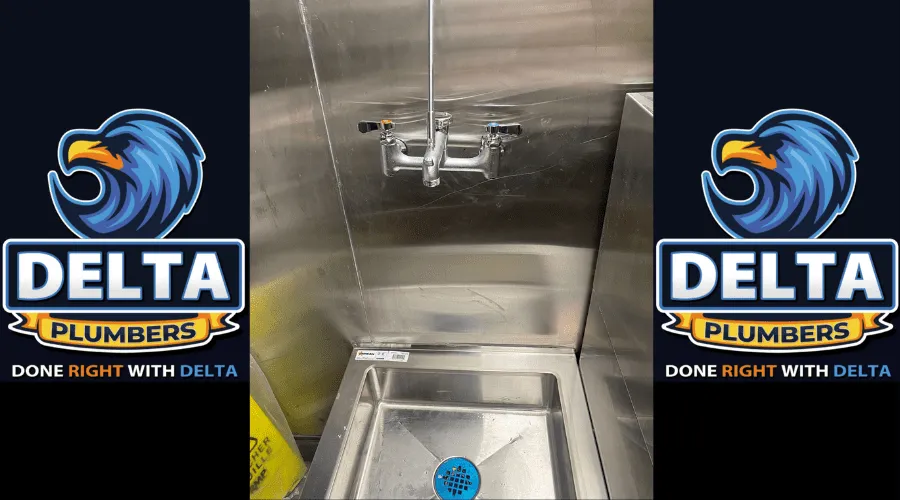
Picture Source – Delta Plumbers
Matching Fixtures by Room: Bathroom, Kitchen, and Laundry
a) Bathroom Fixtures
Showerheads:
- Low pressure: Use 1.5 GPM heads with amplifying nozzles.
- High pressure: Install flow restrictors or use wide-spray heads.
Toilets:
- Low pressure: Stick with gravity-fed flush models.
- High pressure: Consider pressure-assisted toilets (like Sloan or Gerber).
Sinks:
- Low pressure: Use single-handle ceramic disc faucets with aerated flow.
- High pressure: Brass mixer taps with temperature limiters are ideal.
b) Kitchen Fixtures
Kitchen Faucets:
- Look for models with flexible hoses and spray options.
- Pull-down spray heads must retract properly—needs at least 45 PSI.
Dishwashers:
- Require 20–25 PSI minimum for efficient cleaning.
- Consider booster pumps if water pressure is insufficient.
Instant Hot Water Taps:
- Works best with stable water pressure.
- Use an inline PRV to protect the heating element from pressure damage.
c) Laundry Room Fixtures
Washing Machines:
- Front-loaders need consistent pressure to function.
- Many modern washers come with built-in pressure valves.
Utility Faucets:
- Go for brass-threaded taps that can withstand frequent, high-pressure use.
Also Read: Top 5 Signs It’s Time to Replace Your Kitchen Faucet

Picture Source – Delta Plumbers
Regional Differences in Water Pressure Across Canada
Water pressure can vary dramatically across the country due to infrastructure age, elevation, and municipal systems.
Toronto, ON
- Average: 50–70 PSI
- Issues: Older homes may have corroded galvanized pipes, causing pressure drops.
Ottawa, ON
- Average: 45–60 PSI
- Challenges: Some downtown buildings require booster pumps for upper floors.
Calgary, AB
- Average: 70–90 PSI
- Recommendation: PRV installation is common due to high municipal pressure.
Vancouver, BC
- Average: 35–55 PSI
- Challenges: Coastal geography and older neighbourhoods often have low PSI.
Edmonton, AB
- Average: 60–75 PSI
- Unique Issue: Elevation differences in neighbourhoods affect water flow rates.
Always consult with a local plumber to determine the average pressure in your city or neighbourhood.
Also Read: How Long Does It Take to Install a New Toilet?

Picture Source – Delta Plumbers
Pro Tips to Maintain Fixture Efficiency Over Time
Even if you’ve chosen the perfect fixtures for your water pressure, ongoing care is key. Here’s how to maintain efficiency and avoid future problems:
Clean Aerators Monthly
Mineral deposits from hard water build up inside aerators. Unscrew and soak them in vinegar to restore flow.
Inspect for Pipe Corrosion
Old galvanized steel or iron pipes can cause pressure issues. Have them inspected and replaced with PEX or copper if needed.
Flush Your Water Heater Annually
Sediment buildup can affect water pressure throughout the house. Flushing improves both temperature and flow.
Schedule Annual Pressure Tests
A licensed plumber can detect slow leaks, broken PRVs, or spikes in pressure that homeowners can’t see.
Install PRVs and Expansion Tanks
For high-pressure homes, a PRV is a must. Pair it with a thermal expansion tank to protect your hot water system from stress.
Use Smart Leak Detectors
Install devices like Flo by Moen or Honeywell Lyric to monitor pressure, detect leaks, and automatically shut off the water in emergencies.
Also Read: How to Replace a Kitchen Faucet Like a Pro

Picture Source – Delta Plumbers
Common Mistakes Homeowners Make with Water Pressure
1. Assuming All Fixtures Are Compatible
Not every fixture is universal. Always check pressure compatibility on packaging or product specs.
2. Skipping Pressure Tests Before Renovation
Pressure may vary room-to-room, especially in older or multi-story homes.
3. Neglecting Local Building Codes
Some regions mandate PRVs above certain PSI thresholds. Always comply with the code.
4. Using Mismatched Appliances
Certain dishwashers or tankless water heaters require specific PSI minimums. Don’t pair them with low-pressure systems.
5. Ignoring Sudden Pressure Drops
Could signal a major issue, like a slab leak or water main failure.
Conclusion –
Plumbing isn’t just about looks—it’s about compatibility. Hence, the best fixture in the world will disappoint if your home’s water pressure doesn’t support it. Whether you’re dealing with low pressure in an older home or high pressure in a modern build, matching fixtures with your pressure levels ensures optimal performance and peace of mind.
Need help testing your water pressure or choosing the right products? At Delta Plumbers, from water pressure diagnostics to fixture installation, we’ve got the tools and expertise to get it right the first time.
Trusted Plumbing Experts Across Ontario 🛠️🚚
Delta Plumbers is proud to offer top-quality plumbing solutions to households throughout Ontario. From urgent leaks to kitchen faucet replacements, our experienced team is ready to serve you, wherever you are. We’re actively helping customers in:
Our reach also extends to several other key locations, including Mississauga, Vaughan, Markham, Burlington, Kitchener, London, Aurora, Barrie, Scarborough, and more.
No matter the city, you can count on Delta Plumbers for fast, reliable, and professional plumbing service across Ontario.