 Delta Plumbers
Homeownership in Niagara Falls has many rewards, from enjoying the region’s beautiful parks to being part of a vibrant community. But like in many Canadian cities, one of the biggest concerns for property owners is the hidden infrastructure beneath their homes—especially their sewer connections.
When a sewer line develops cracks, blockages, or root intrusion, it can lead to backups, basement flooding, and thousands of dollars in damage. To help reduce these risks, the City of Niagara Falls offers grant programs to assist homeowners with sewer inspections and related upgrades. These programs make it easier and more affordable for residents to take proactive steps in protecting their properties.
In this blog, we’ll explore what sewer inspection grants are available in Niagara Falls, what costs are typically covered, the eligibility requirements, how to apply, and why taking advantage of these programs is one of the smartest investments you can make for your home.
Picture Source – Delta Plumbers
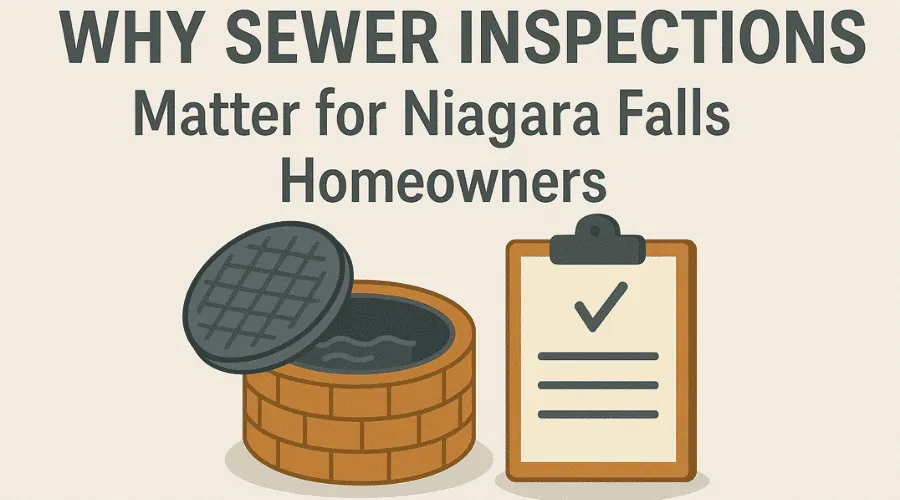
1. Why Sewer Inspections Matter for Niagara Falls Homeowners
A sewer inspection may not be the first thing on your mind when maintaining your home, but it’s one of the most valuable services you can schedule.
The risks of ignoring your sewer system
- Tree root intrusion: Mature trees common in Niagara Falls neighbourhoods often extend their roots toward sewer pipes, creating blockages.
- Aging infrastructure: Many homes built before the 1980s still rely on clay or cast iron pipes, which deteriorate over time.
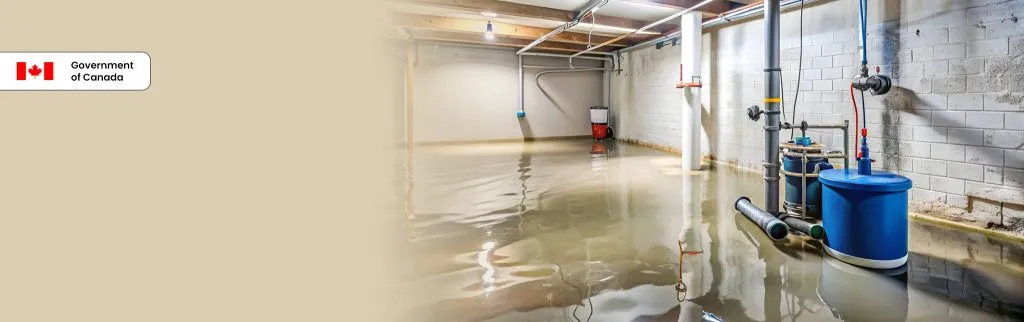
- Backups and flooding: Heavy rainfall in the region can overwhelm both private and municipal sewer systems. If your line is partially blocked, the risk of a backup into your basement skyrockets.
- High repair costs: Excavating and replacing a failed sewer line can cost between $8,000 and $20,000, depending on depth and length.
The role of inspections
Modern camera inspections allow licensed plumbers to run specialized equipment through your sewer line, identifying cracks, bellies, roots, or blockages before they turn into disasters. A grant program that helps offset the cost of these inspections makes preventive care accessible to more homeowners.
Also Read: How to Replace a Refrigerator Water Line in Ontario: Step-by-Step Homeowner’s Guide

Picture Source – Delta Plumbers
2. Understanding the City of Niagara Falls Sewer Grant Programs
The City of Niagara Falls recognizes the impact that sewer issues can have on both private homeowners and municipal infrastructure. To reduce the strain on the city’s wastewater system and minimize basement flooding claims, the city has implemented financial assistance programs.
What these grants typically cover
- Sewer lateral inspections: Using cameras to check the condition of the private sewer connection from your home to the city’s main line.
- Backwater valve installation: A device that prevents municipal sewage from backing into basements.
- Sump pump upgrades: In some cases, grants extend to sump pump installations that redirect stormwater away from the sanitary system.
Why does the city offer these programs
Flooding and sewer backups don’t just damage homes—they also create public health risks and expensive cleanup operations. By helping homeowners maintain their private connections, the city reduces the chance of widespread problems.
Also Read: Fridge Leaking Water? Complete Ontario Homeowner’s Guide to Causes, Fixes, and Professional Help

Picture Source – Delta Plumbers
3. What Costs Are Covered by Niagara Falls Sewer Inspection Grants
Grant programs vary in scope, but most provide partial reimbursement for eligible services.
Inspection grants
- Coverage usually includes a percentage of the cost of a professional sewer camera inspection.
- In some cases, the city reimburses up to 50% of the inspection cost, with a maximum dollar amount per property.
Upgrade grants
- Backwater valve installations may be eligible for significant subsidies, often covering several hundred dollars.
- Sump pump installation or upgrades may also qualify if they help keep stormwater out of the sanitary sewer system.
What’s not covered
- Routine plumbing repairs unrelated to sewer laterals.
- Cosmetic or landscaping work after excavation.
- Inspections or repairs done by unlicensed contractors.
Also Read: Water Heater Replacement Service: A Complete Homeowner’s Guide

Picture Source – Delta Plumbers
4. Eligibility Requirements for Homeowners
Not every property automatically qualifies. To ensure funding goes where it’s needed most, the City of Niagara Falls sets specific conditions.
Typical eligibility rules
- Residential properties only: Grants usually apply to single-family homes, duplexes, or small multi-unit residences.
- Proof of ownership: Applicants must provide a recent property tax bill or ownership documents.
- Licensed contractors: Inspections and installations must be completed by plumbers licensed in Ontario.
- Pre-approval required: Homeowners often need to apply before beginning work to confirm eligibility.
- Good standing with taxes and utilities: Outstanding property tax arrears may disqualify an applicant.
By reviewing these requirements ahead of time, homeowners can avoid surprises during the application process.
Also Read: Toilet Replacement Services: Why are they Essential for Modern Homes

Picture Source – Delta Plumbers
5. How to Apply for a Sewer Inspection Grant in Niagara Falls
The application process may seem intimidating at first, but it’s relatively straightforward if you follow the steps carefully.
Step 1: Gather documentation
Collect proof of ownership, government-issued ID, and any recent notices of basement flooding or sewer issues (if applicable).
Step 2: Get pre-approval from the city
Submit an application form through the City of Niagara Falls website or customer service center. Pre-approval ensures your inspection will qualify for reimbursement.
Step 3: Hire a licensed plumber
Once approved, schedule a sewer camera inspection with a licensed local plumber. Ensure the plumber provides a detailed report, including video footage and recommendations.
Step 4: Submit proof of work
After the inspection, submit the plumber’s invoice, inspection report, and any additional forms required by the city.
Step 5: Receive reimbursement
If approved, reimbursement is issued by cheque or direct deposit. Processing times vary, but most grants are paid within 8–12 weeks.
Also Read: Greywater Recycling Systems: Can Plumbers Help You Save Water Legally?

Picture Source – Delta Plumbers
6. Why Taking Advantage of Grants Is a Smart Investment
Some homeowners hesitate to apply because they assume the process is complicated. However, the benefits far outweigh the effort.
Financial protection
- Grants offset costs that might otherwise discourage proactive inspections.
- Catching problems early can save tens of thousands in emergency repairs.
Peace of mind
- Knowing your sewer line is in good condition lets you focus on enjoying your home without worrying every time it rains.
Increased property value
- Documented inspections and upgrades reassure buyers when it’s time to sell your home.
- Properties with functioning backwater valves and updated sewer laterals are more attractive in the real estate market.
Community benefits
- Reduced strain on Niagara Falls’ wastewater infrastructure.
- Fewer city resources spent on flood cleanup, which helps keep property taxes manageable.
Also Read: How to Choose the Right Plumbing Fixtures Based on Water Pressure in Your Area
Picture Source – Delta Plumbers
7. Choosing the right plumbing partner in Niagara Falls
While grants provide financial help, the quality of your inspection depends on the plumber you hire. Not all contractors have the same expertise with older sewer lines common in Niagara Falls neighbourhoods.
What to look for in a plumber
- Licensed and insured in Ontario.
- Experience with camera inspections and trenchless sewer repair.
- Familiarity with Niagara Falls grant programs, so they can guide you through paperwork.
- Positive local reviews that highlight reliability and transparency.
At Delta Plumbers, we specialize in helping Niagara Falls homeowners protect their basements and maximize available grants. From detailed sewer inspections to full replacement of damaged lines, our team combines technical skill with a deep understanding of local infrastructure.
Conclusion –
Sewer issues may be hidden underground, but their impact can be devastating when left unchecked. The City of Niagara Falls sewer inspection grants give homeowners an affordable way to identify risks, install protective devices, and avoid costly disasters.
By understanding what programs are available, what costs are covered, and how to apply, you can protect your home, save money, and contribute to a healthier citywide sewer system.
At Delta Plumbers, we’ve been helping Niagara Falls families for over 17 years with inspections, upgrades, and emergency repairs. Our licensed team can guide you through the grant process while ensuring your home’s sewer system is safe and reliable.
Proudly Serving Homes Across Ontario 🚿🔧
Delta Plumbers is committed to providing trusted plumbing solutions throughout Ontario. Whether it’s a leaking faucet, clogged drain, or new installation, we’re here to help. We’re currently serving customers in:
We also extend our expertise to London, Mississauga, Vaughan, Burlington, Toronto, Aurora, Kitchener, Hamilton, Barrie, and more.
From big cities to smaller communities, Delta Plumbers is Ontario’s go-to choice for reliable plumbing services.