 Delta Plumbers
Few things disrupt a household more than a sudden lack of hot water. From frigid morning showers to half-washed dishes, a failing water heater throws your routine into chaos. Yet, many homeowners ignore the early warning signs—either due to cost concerns or the hope that the unit might last just a little longer. Putting off water heater replacement can do more than cause inconvenience—it may increase energy costs, cause water damage, and create potential safety risks. In Canada, where water heating accounts for roughly 17-19% of household energy use, upgrading to a more efficient system can significantly reduce annual utility costs. This blog on water heater replacement service will help you understand the signs you need a new water heater, how to choose the right model, what the replacement process looks like, and why hiring a licensed plumber is essential for safety, efficiency, and long-term performance.
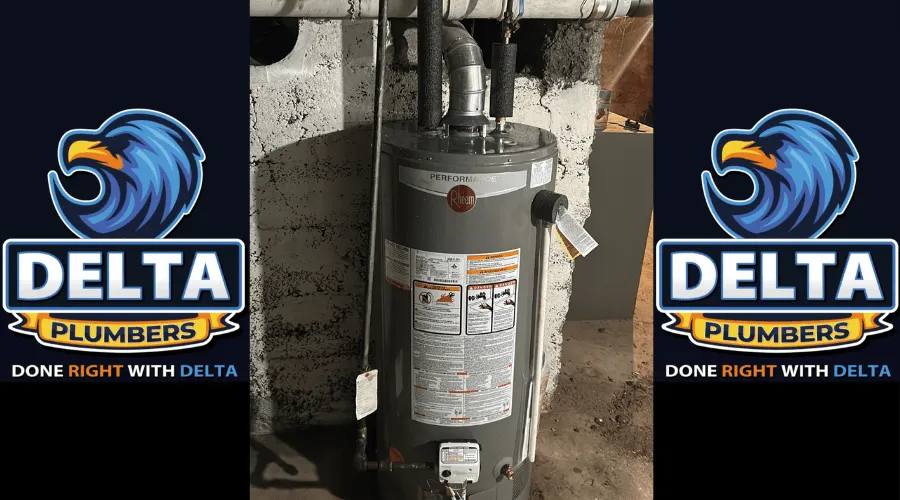
Picture Source – Delta Plumbers
Signs You Need a Water Heater Replacement Service
Not every water heater failure happens suddenly. Most units send out distress signals long before they break down. Spotting these early can help you avoid emergencies and make more informed choices.
1. Unit Age
If your unit is 8 to 12 years old, it’s likely operating below peak efficiency. Traditional tank systems tend to corrode internally over time, even with good maintenance. Tankless units may last longer—up to 20 years—but performance often drops after the 12–15-year mark.
📌 Pro Tip: Check the manufacturer’s label or serial number to determine the production date.
2. Temperature Fluctuations
If the water temperature is constantly too hot, too cold, or inconsistent, it could indicate a failing thermostat or sediment covering the heating element.
3. Discoloured or Metallic-Tasting Water
Rusty water or a metallic taste can mean corrosion inside the tank or failing anode rods. Both are signs that the tank is deteriorating and may soon leak.
4. Leaks or Moisture Accumulation
Any moisture at the base of your heater is a major red flag. This could be due to pressure valve failure or a developing crack in the tank. Leaks can damage floors, drywall, and foundation if not caught early.
5. Rumbling or Banging Sounds
Sediment hardens at the bottom of older tanks, trapping water under a layer of debris. When the burner heats this water, it creates loud rumbling or banging noises. This increases wear on the tank and wastes energy.
Also Read: Top 5 Signs It’s Time to Replace Your Kitchen Faucet
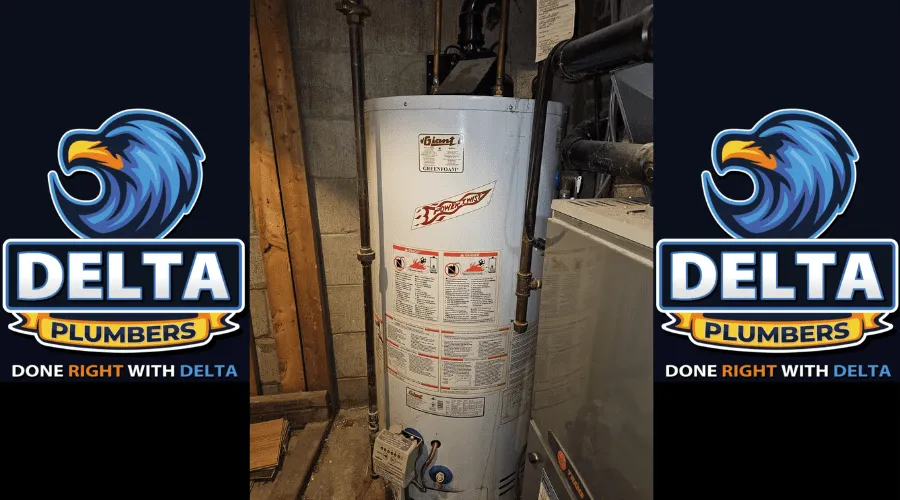
Picture Source – Delta Plumbers
Choosing the Best Type of Water Heater for Your Replacement
Once you know your unit needs replacement, the next step is selecting a new model that matches your home’s size, energy source, and daily needs.
1. Conventional Tank Water Heaters
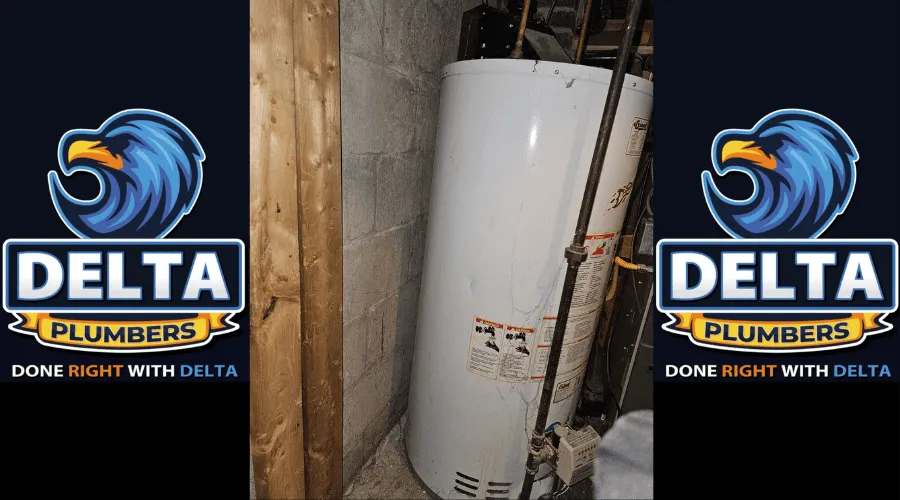
These are the most common models in Canadian homes. They’re affordable and familiar to most plumbers. However, they have limited hot water capacity and constantly use energy to keep the tank warm.
- Best for: Small to medium-sized families
- Lifespan: 8–12 years
- Sizes: 30–80 gallons
2. Tankless (On-Demand) Water Heaters
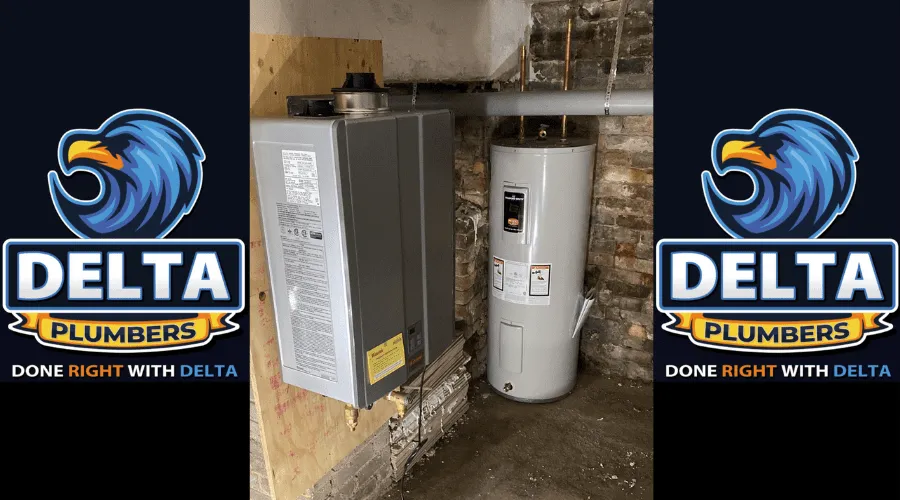
These compact systems heat water as it flows through the unit, offering endless hot water and lower standby energy loss. Although more expensive upfront, tankless units can save 20–30% on energy bills over time.
- Best for: Homes with multiple bathrooms or high-water demand
- Lifespan: 15–20 years
- Considerations: May require upgraded gas lines or electrical panels
3. Heat Pump Water Heaters (Hybrid)
These ultra-efficient units use electricity to move heat from the air into the water. They work best in warmer climates or heated basements/utility rooms.
- Best for: Eco-conscious homeowners or large families
- Lifespan: 10–15 years
- Savings: Up to 60% reduction in water heating costs
4. Power Vent Water Heaters
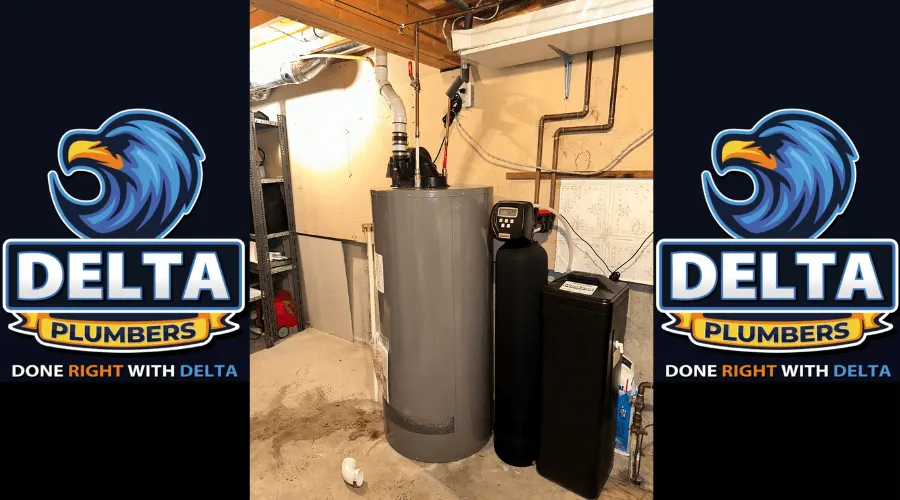
These systems use a fan to expel exhaust gases through a horizontal vent—ideal for homes without a chimney or vertical vent stack.
- Best for: Homes with limited venting options
- Additional Benefit: Safer due to improved exhaust control
5. Choosing Between Gas vs. Electric
- Gas: Heats water faster and is often cheaper to operate long-term
- Electric: Easier to install and maintain, ideal where gas is unavailable
Also Read: How Long Does It Take to Install a New Toilet?
Picture Source – Delta Plumbers
The Water Heater Replacement Process: What to Expect
A professional water heater replacement involves far more than just swapping out tanks. Licensed plumbers follow a strict process to ensure safety and code compliance.
1. Pre-Replacement Inspection
The plumber assesses your current setup, identifies energy sources (gas/electric), checks for clearance space, and determines venting options. This step may also involve confirming municipal code requirements and pulling permits.
2. Shutting Down the Existing System
Power and water supplies are disconnected. In gas systems, the gas valve is shut off and capped. The tank is fully drained using a hose to prevent flooding.
3. Removing the Old Heater
The technician detaches plumbing lines and removes the old tank or unit. Disposal is often included in the service, though some providers charge extra.
4. Preparing the Site
This includes checking or upgrading:
- Gas lines or breakers
- Venting (for power vent or tankless units)
- Pressure relief valves
- Expansion tanks (required in some municipalities)
5. Installing the New Unit
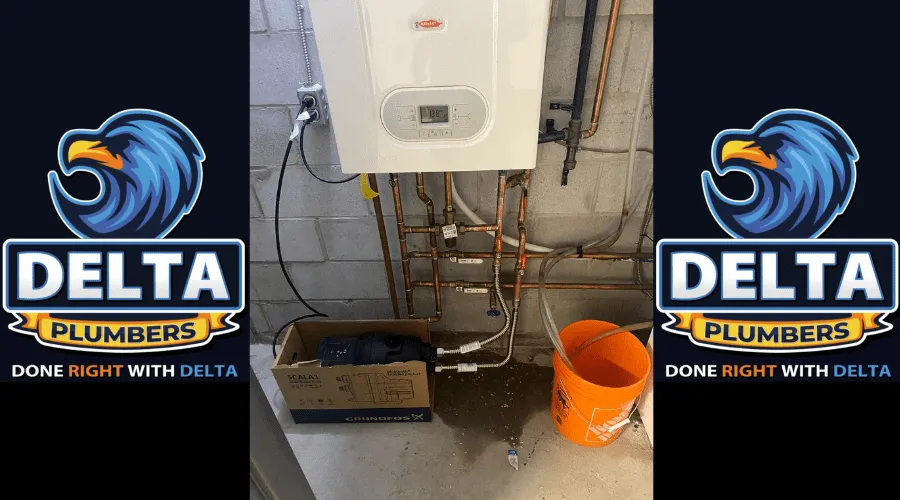
Your new water heater is positioned, secured, and connected to the plumbing and utility lines. Additional adjustments are made to meet modern safety standards.
6. Testing and Verification
Before leaving, the plumber:
- Flushes the system
- Calibrates temperature settings
- Tests safety valves and connections
- Ensures there are no gas leaks or electrical issues
7. Cleanup and Warranty Handover
Professional plumbers will clean the area and review your unit’s warranty and maintenance guidelines.
Also Read: How to Replace a Kitchen Faucet Like A Pro
Picture Source – Delta Plumbers
Why You Should Hire a Licensed Plumber for Water Heater Replacement
Replacing a water heater yourself might appear cost-effective, but it can result in safety hazards, building code violations, or the loss of warranty coverage.
1. Code and Permit Requirements
In Ontario and most provinces, water heater replacements require a permit and must meet CSA B149 standards (for gas) or ESA regulations (for electric). Licensed plumbers understand these requirements.
2. Gas and Electrical Safety
Improper gas line installation can lead to carbon monoxide leaks or explosions. Electric systems involve high-voltage wiring and must be grounded properly.
3. Warranty Protection
Many brands (e.g., Rheem, Bradford White, AO Smith) require installation by a certified technician for the warranty to remain valid.
4. Insurance Liability
If a non-professional installation leads to flooding or fire, your homeowner’s insurance may refuse to cover damages.
5. Long-Term Reliability
Professionals ensure all components—from the thermostat to the vent pipe—are correctly fitted and leak-free.
Also Read: How to Replace a Showerhead in Minutes
Picture Source – Delta Plumbers
How Much Does a Water Heater Replacement Cost in Canada?
Average Replacement Costs by Type
| Water Heater Type | Unit Cost (CAD) | Installation Cost (CAD) | Total Range (CAD) |
| Tank (40–50 gal) | $500–$1,000 | $500–$900 | $1,000–$1,900 |
| Tankless | $1,200–$2,800 | $1,000–$2,200 | $2,200–$5,000 |
| Heat Pump | $2,000–$3,200 | $1,200–$1,800 | $3,200–$5,000+ |
Additional Costs
- Expansion tank: $100–$250
- Permit fees: $75–$200
- Disposal fee (if not included): $50–$150
- Electrical/gas line upgrades: $200–$800
Cost-Saving Tip
Look for municipal rebates and energy-efficiency incentives like:
- Canada Greener Homes Grant
- Enbridge Gas Rebate Program
- Local city rebate programs (e.g., Toronto or Ottawa)
Also Read: Copper vs PEX Pipes: What’s Best for Your Home in 2025?
Picture Source – Delta Plumbers
Benefits of Replacing Your Water Heater
Beyond immediate comfort, a new water heater delivers long-term value:
1. Energy Savings
Newer ENERGY STAR-certified models use significantly less energy. Tankless and hybrid systems can reduce energy usage by 20–50% annually.
2. Reliable Hot Water
No more waiting for the tank to refill or running out mid-shower. Tankless models deliver continuous hot water even during peak usage.
3. Lower Maintenance
Modern heaters require less frequent flushing and come with self-diagnostic systems that alert you to issues before they escalate.
4. Environmental Impact
Lower energy consumption means reduced greenhouse gas emissions. Some hybrid systems even qualify as net-zero carbon appliances.
5. Increased Home Value
Upgrading your water heater is an attractive feature in real estate listings and home inspections.
Also Read: How to Temporarily Fix a Burst Pipe While Waiting for Help
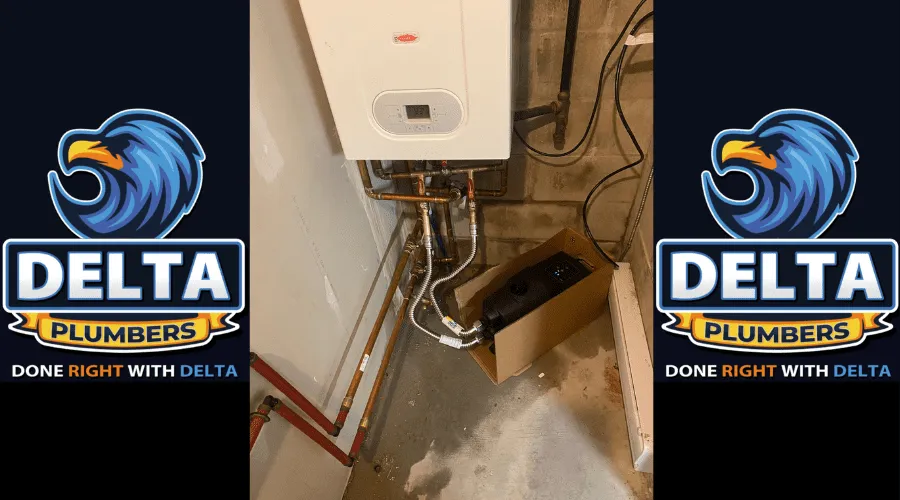
Picture Source – Delta Plumbers
Finding the Best Water Heater Replacement Service Near You
A qualified, well-reviewed plumber makes all the difference in the outcome of your installation.
Checklist Before Hiring
- Licensed, insured, and certified
- Offers a warranty on labour and equipment
- Available for emergency or same-day service
- Knowledgeable about both tank and tankless systems
- Offers transparent, itemized pricing
Questions to Ask
- Do you install ENERGY STAR-certified models?
- Will you handle permits and inspections?
- What happens if I need an upgrade to my electrical or gas system?
- Do you offer maintenance plans?
📍 Pro Tip: Choose a local plumber with experience in your city’s building codes, such as Toronto, Ottawa, Calgary, or Vancouver. They will ensure faster approvals and better compliance.
Ontario’s Go-To Plumbing Professionals 💧🔧
At Delta Plumbers, we specialize in delivering quick and efficient plumbing services across Ontario. Whether you’re dealing with a sudden leak or planning a new installation, our licensed plumbers are always ready to help. We commonly serve customers in:
Our service network also includes a wide range of locations such as Markham, Vaughan, Aurora, London, Burlington, Kitchener, Barrie, Toronto, Hamilton, and more.
Wherever you live in Ontario, Delta Plumbers is here to provide expert plumbing solutions you can count on.