 Delta Plumbers
The rise of TikTok, Instagram Reels, and YouTube Shorts has brought an endless stream of “life hacks” to our screens. Some are clever and genuinely useful — but when it comes to plumbing, many of these trending shortcuts do more harm than good.
At Delta Plumbers, we’ve seen countless homeowners try a viral plumbing hack only to end up with a bigger, more expensive problem. This blog will guide you through the most common ones, explain why they fail, and offer safe, effective alternatives that keep your plumbing system healthy.
Picture Source – Delta Plumbers
1. Baking Soda and Vinegar to Unclog Drains — Why This Isn’t the Miracle It Seems
Search for “unclog drain” online, and you’ll see thousands of videos showing baking soda and vinegar being poured into drains, followed by boiling water. It looks impressive, but for real clogs, it’s usually ineffective.
Why This Hack Often Fails
- The fizz is a mild chemical reaction that can loosen small surface debris, but it lacks the force to remove tough clogs like hair mats or hardened grease.
- In some cases, it pushes the blockage deeper, making it more difficult to reach.
- Adding boiling water afterward risks damaging PVC pipes (more on that later).
A Real Ontario Example
We recently visited a homeowner in Mississauga whose kitchen sink had been draining slowly. After three rounds of baking soda and vinegar, the clog worsened and backed up into the dishwasher. The real culprit? A grease buildup deep in the main drain required hydro jetting.
What Works Better
- Plunger or Drain Snake: Removes clogs without pushing them deeper.
- Hydro Jetting: Professional high-pressure water cleaning that restores full pipe flow.
- Drain Strainers: Prevent hair, food, and soap scum from entering pipes in the first place.
Also Read: How to Replace a Refrigerator Water Line in Ontario: Step-by-Step Homeowner’s Guide
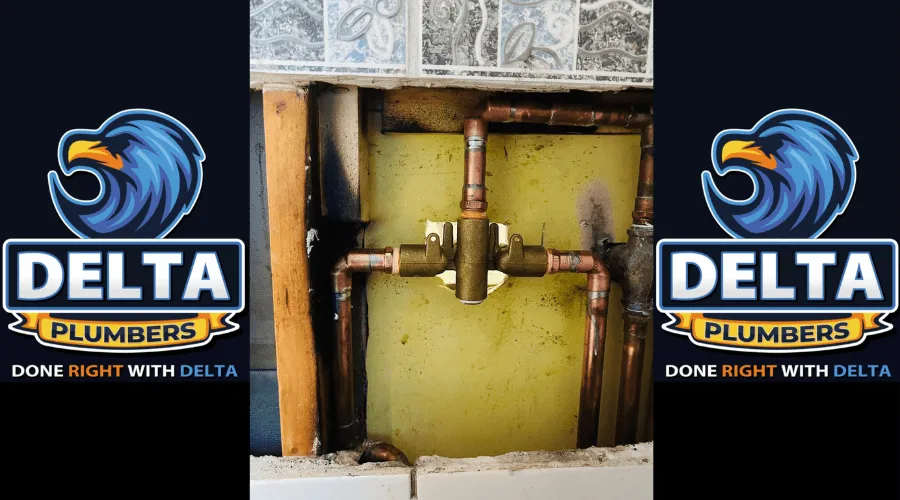
Picture Source – Delta Plumbers
2. Using Bleach for Smelly Drains — A Short-Term Fix That Can Damage Your Pipes
Foul drain odours are a common issue, and bleach is often suggested as a quick solution. While bleach kills some bacteria, it doesn’t address the underlying cause of the problem.
Risks of Using Bleach in Drains
- Bleach can corrode metal pipes and degrade certain plastics over time.
- It doesn’t remove the source of the smell — usually trapped food, grease, or organic matter.
- If mixed with ammonia-based cleaners, it releases dangerous chlorine gas.
Better Long-Term Solutions
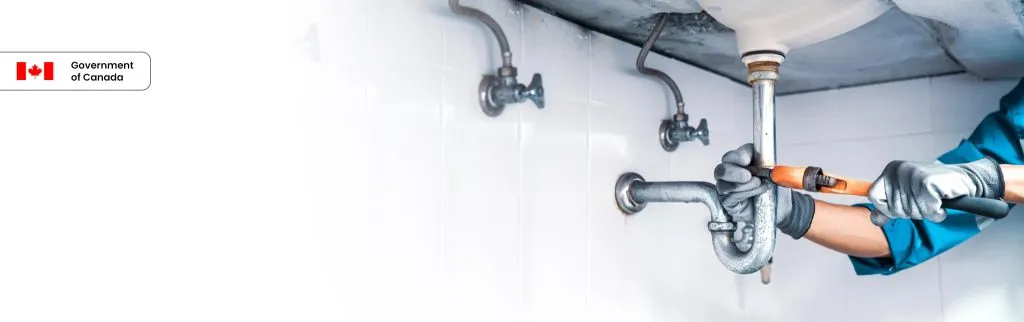
- Clean the P-Trap: This curved section under the sink traps debris and can easily be removed for cleaning.
- Enzyme-Based Cleaners: Break down organic matter safely without harming pipes.
- Keep P-Traps Filled: Dry P-traps let sewer gases enter the home, causing persistent odours.
Ontario Plumbing Note
In older Toronto and Hamilton homes, improper venting often causes recurring smells. A plumber can install or repair vent pipes to eliminate this problem permanently.
Also Read: Fridge Leaking Water? Complete Ontario Homeowner’s Guide to Causes, Fixes, and Professional Help
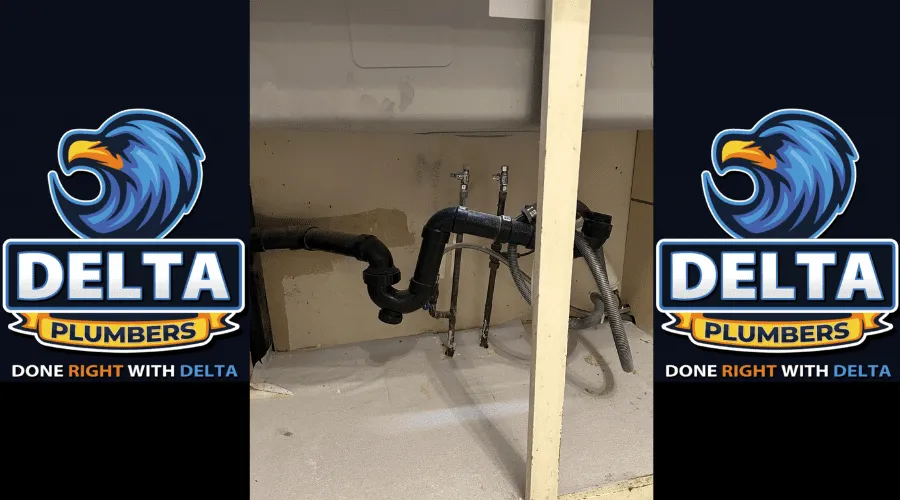
Picture Source – Delta Plumbers
3. Pouring Boiling Water Down PVC Pipes — A Recipe for Damage
Grease clogs in kitchen sinks are frustrating, and some viral hacks recommend pouring boiling water to melt the blockage. While this might work in metal pipes, it’s dangerous for PVC.
Why Boiling Water Can Harm PVC Pipes
- PVC softens and warps at high temperatures, leading to leaks or pipe failure.
- Grease may melt near the top of the drain but re-solidify further down, making the clog worse.
Safe Alternatives
- Use hot tap water with dish soap to break down grease slowly.
- Call for professional drain cleaning if grease buildup is severe.
Local Case
We handled a case in Vaughan where repeated boiling water treatments warped the homeowner’s PVC drain elbow. A small grease issue became a full pipe replacement job.
Also Read: Water Heater Replacement Service: A Complete Homeowner’s Guide
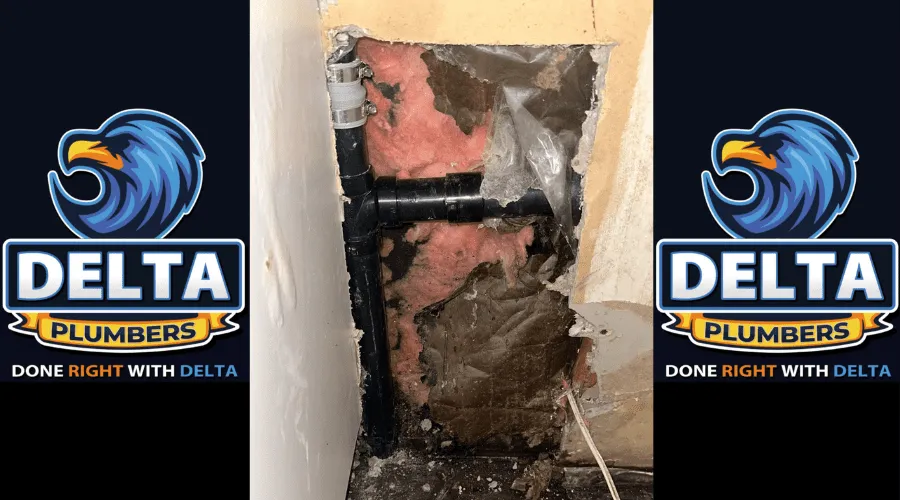
Picture Source – Delta Plumbers
4. Cleaning Toilets with Cola — More Mess Than Success
Some viral videos show cola being poured into toilets to remove stains. While phosphoric acid in cola can loosen some deposits, it’s far from an ideal cleaning method.
The Problems with Cola Toilet Cleaning
- The acid concentration is too low to tackle limescale or hard mineral stains.
- Sugar leaves sticky residue that attracts more bacteria.
Better Cleaning Options
- Toilet-Safe Descaling Cleaner: Removes hard stains effectively.
- Vinegar & Baking Soda: Good for surface cleaning (not clogs).
- Pumice Stone for Porcelain: Removes stubborn stains without scratching.
Also Read: Toilet Replacement Services: Why are they Essential for Modern Homes?
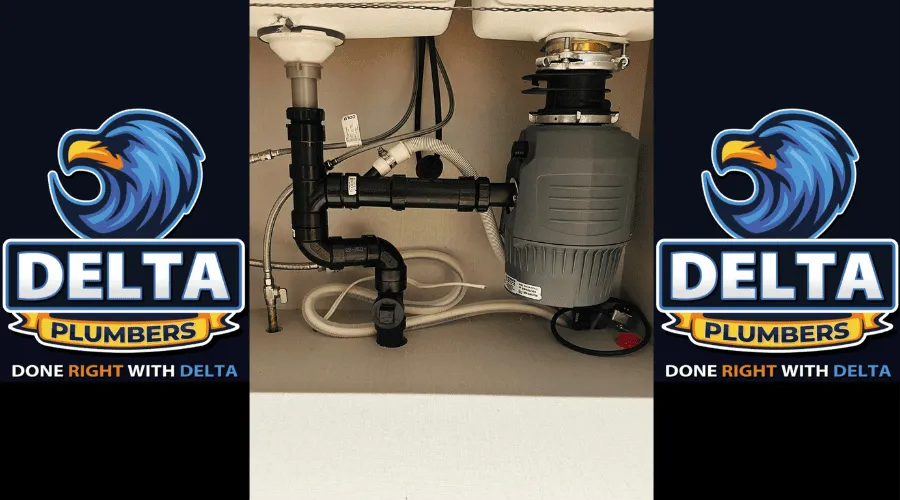
Picture Source – Delta Plumbers
5. Overusing Chemical Drain Cleaners — The Hidden Damage
Chemical drain cleaners promise quick results, but repeated use causes long-term damage.
Why They’re Risky
- They corrode older metal pipes and weaken PVC.
- They can damage septic systems.
- If the clog is solid, the chemicals just sit in the pipe, eating away at it.
Better Alternatives
- Use a plunger or drain auger for mechanical removal.
- Consider hydro jetting for stubborn blockages.
Ontario Example
In Burlington, a homeowner’s frequent use of chemical cleaners led to a corroded pipe joint, causing a hidden basement leak.
Also Read: Greywater Recycling Systems: Can Plumbers Help You Save Water Legally?
Picture Source – Delta Plumbers
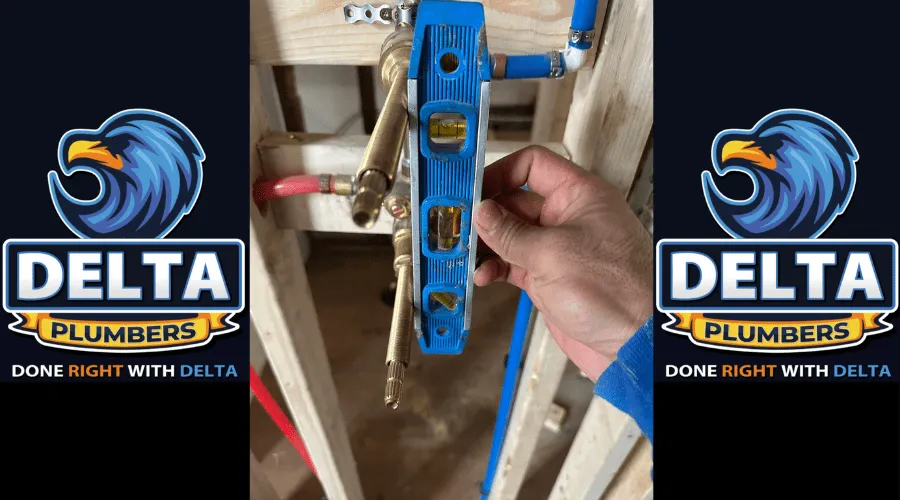
6. Taping Leaks as a “Permanent” Fix — A Costly Mistake
Many viral hacks suggest wrapping leaky pipes with duct tape or electrical tape as a long-term solution.
Why This Doesn’t Work
- Tape can’t withstand water pressure for long.
- Water continues to seep under the tape, causing hidden damage.
Safe Temporary Fix
- Shut off the water supply.
- Use a pipe repair clamp until a plumber can replace the damaged section.
Also Read: How to Choose the Right Plumbing Fixtures Based on Water Pressure in Your Area
Picture Source – Delta Plumbers
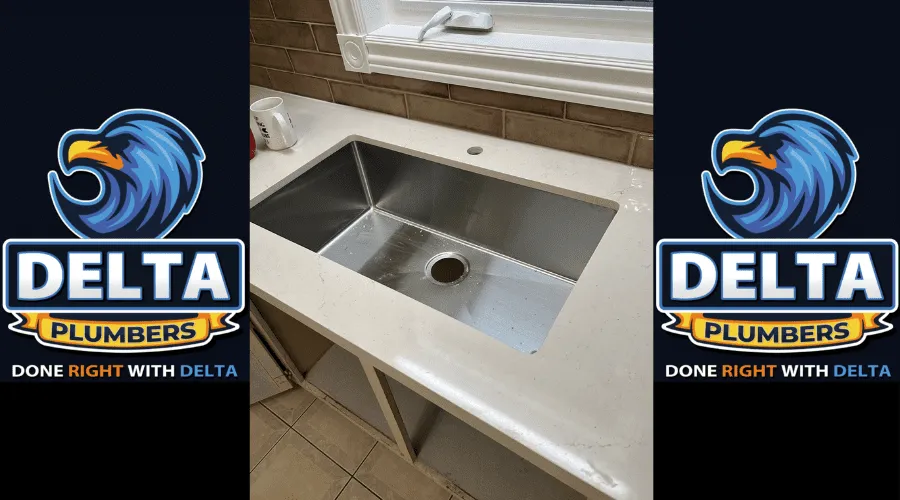
7. Flushing “Flushable” Wipes — A Leading Cause of Toilet Clogs
Despite the label, “flushable” wipes are not truly safe for plumbing systems.
Why They Cause Problems
- They don’t break down like toilet paper, leading to clogs in home pipes and municipal sewer lines.
- They can contribute to massive blockages, known as “fatbergs.”
Better Practice
- Only flush toilet paper and human waste.
- Dispose of all wipes in a bathroom trash bin.
Ontario Case
A Markham family’s recurring toilet clogs were traced to a buildup of “flushable” wipes in their main sewer line.
Conclusion –
Viral plumbing hacks might look easy, but many cause more damage than they solve. If you’re facing slow drains, leaks, or foul odours, the safest choice is to call a licensed plumber. Delta Plumbers offers same-day service across Ontario, using proven methods that protect your pipes and save you money.
Ontario’s Go-To Plumbing Professionals 💧🔧
Delta Plumbers delivers dependable plumbing services to communities all across Ontario. From urgent pipe repairs to routine installations, our expert team is always ready to help. We’re currently serving customers in:
Our service network also spans many other locations, including Barrie, Aurora, Kitchener, Mississauga, Markham, Toronto, Burlington, Scarborough, Oakville, and more.
Wherever you are in Ontario, Delta Plumbers is the trusted name for quick, professional, and high-quality plumbing solutions.