 Delta Plumbers
Whether dealing with a leaking water heater, going on vacation, or performing maintenance, shutting off your water heater properly can protect your home from serious damage. Many homeowners across Ontario don’t realize how important it is to know how to turn off their water heater until an emergency strikes. From electric to gas-powered models, the steps differ slightly, but the goal remains the same: stay safe and prevent water damage, overheating, or energy waste. In this guide by Delta Plumbers, we explain how to Turn Off a Water Heater in 5 Steps while answering all your pressing questions like:
- How do I shut off my water heater?
- Is there an on-off switch on a water heater?
- Is it safe to turn off a water heater?
- How do I make sure my water heater’s power is off?
- Do water heaters need to be turned off?
- Where is the main water shut off?
- How do I turn off the water heater for vacation?
Let’s break it all down step by step.
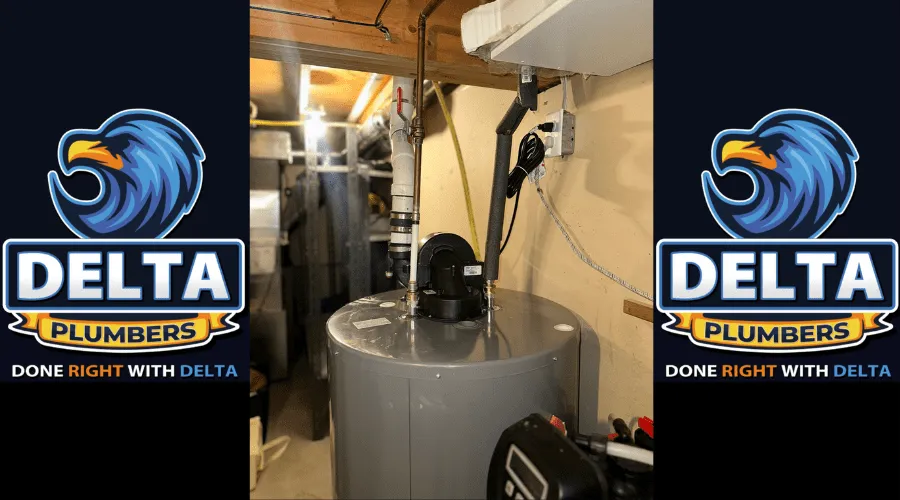
Picture Source – Delta Plumbers
How Do I Shut Off My Water Heater?
The first thing to understand is the type of water heater you have—electric or gas. Shutting each one down involves slightly different steps, and it’s crucial to know the difference so you can act quickly and safely in an emergency.
For Electric Water Heaters:
Electric water heaters use a dedicated circuit in your electrical panel. To shut one off:
- Locate your home’s main electrical panel, often found in the basement or a utility room.
- Find the breaker labelled “Water Heater” and flip it to the OFF position. This cuts off all electrical power to the heater.
- Go to your water heater and turn off the cold-water supply valve—usually found at the top of the unit—by twisting it clockwise. This stops new water from entering the tank and prevents overflow.
For Gas Water Heaters:
Gas units have a few more components to consider. Here’s what to do:
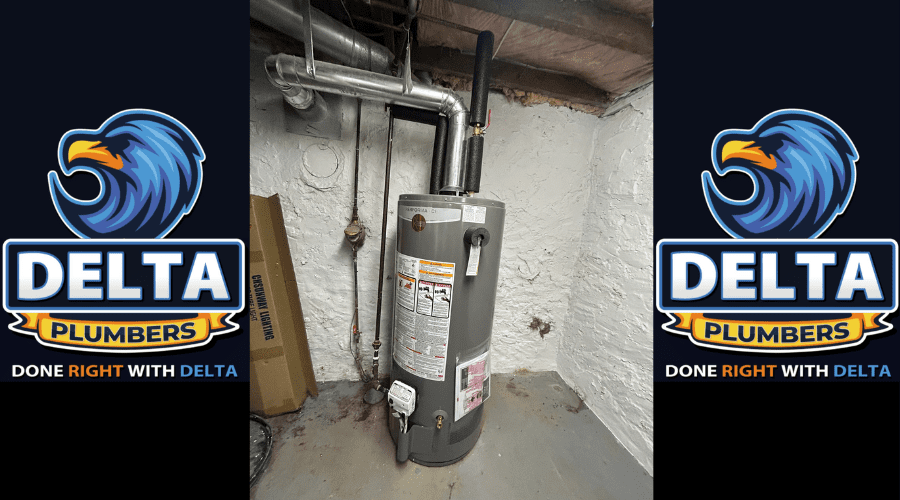
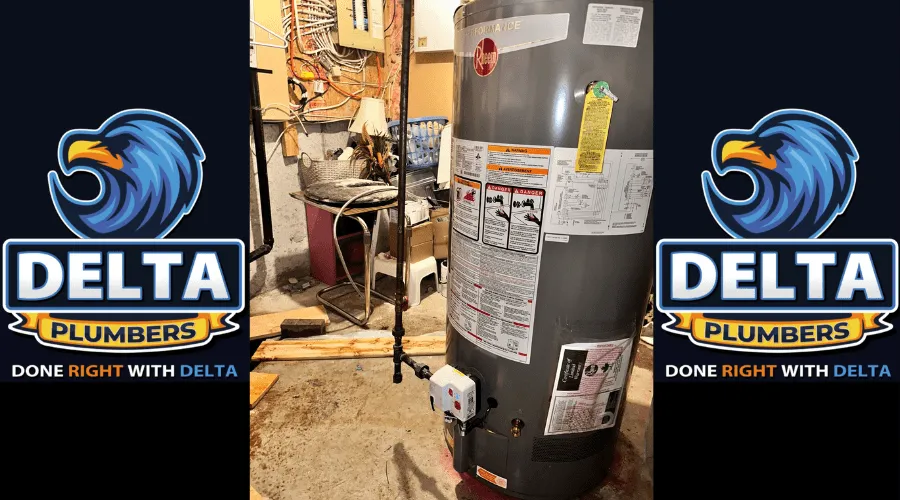
- Locate the thermostat dial near the bottom of your unit. This dial typically allows you to adjust the temperature, set it to “Pilot,” or turn it off completely.
- Turn the dial to the “Pilot” or “Off” position. This stops the burner from heating the water.
- Then, shut off the cold-water supply valve just like with electric models.
Always make sure the unit has completely powered down before proceeding with maintenance or leaving your home.
Also Read: What Is a Sump Pump, and Do You Need One?

Picture Source – Delta Plumbers
Is There an On-Off Switch on a Water Heater?
Yes—but it depends on the model and fuel type. Many homeowners assume there’s a literal “switch” on the device, but that’s not always the case.
Electric Units:
Most electric water heaters don’t have a visible on-off switch directly on the unit. Instead, you turn it off at the electrical panel by flipping the circuit breaker.
Some models, especially newer ones, may have a small switch near the thermostat housing, but this is rare. The safest and most reliable method is always to switch off the breaker.
Gas Units:
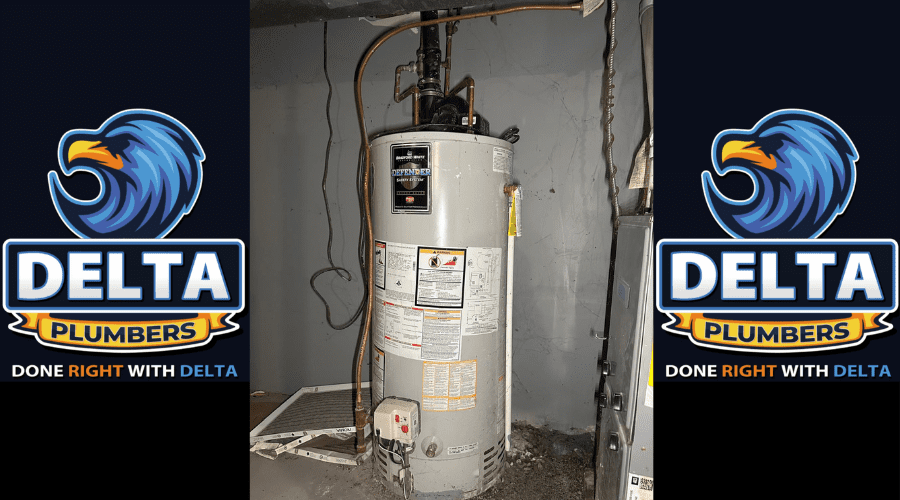
Gas water heaters have a thermostat control dial located at the base of the tank. This dial is your control hub—it allows you to:
- Adjust the water temperature
- Set the system to “Vacation” or “Pilot” mode
- Completely shut off the heater
If you see a small red button labelled “Reset” or “Pilot,” that’s usually associated with relighting the unit, not powering it off.
Understanding your heater’s design helps you shut it down confidently in both routine and emergencies.
Also Read: Drain Clearing vs. Drain Cleaning: What’s the Difference and Why It Matters
Picture Source – Delta Plumbers
Is It Safe to Turn Off a Water Heater?
Absolutely. Turning off your water heater is not only safe—it’s often a proactive safety measure. It can help prevent flooding, overheating, and unnecessary energy use. Still, there are best practices to follow.
When It’s Safe (and recommended):
- If you suspect a leak, quickly shutting off the water heater prevents additional water from being heated and leaking into your home.
- Before leaving for an extended vacation, shutting it off conserves energy and prevents issues while you’re away.
- For regular maintenance: Whether you’re flushing the tank or checking components, the unit should be powered down.
- If you hear unusual noises: Popping or hissing may indicate sediment buildup or malfunction. Turn it off and call a professional.
What to Avoid:
- Never shut off the heater without first cutting power (for electric) or turning the thermostat to “Off” (for gas).
- Never drain a heater while it’s hot. Let it cool for several hours to avoid burns.
- Don’t operate a water heater if the tank is empty—it can cause overheating and damage.
Delta Plumbers can assist with inspections and teach you safety checks specific to your model.
Also Read: Why Shower Leaks Happen, and How to Fix Them
Picture Source – Delta Plumbers
How Do I Make Sure My Water Heater Power Is Off?
Verifying the heater is off is essential, especially before any hands-on work.
Electric Water Heaters:
- After flipping the breaker to “Off,” check for any lit indicators on the tank. Most units will have a digital display or LED lights that go dark when powered down.
- If you’re trained or comfortable, use a non-contact voltage tester to confirm no current is present at the thermostat or heating element.
Gas Water Heaters:
- Turn the control dial to “Off.” Listen closely—if the burner shuts off and there’s no hissing sound, it’s likely inactive.
- Look at the pilot window. If the flame is out and the unit is silent, the gas supply is probably off.
- You can also turn the gas supply valve (usually located along the supply pipe) to the perpendicular “Off” position to cut off gas flow completely.
If you’re unsure or uncomfortable, always call a licensed plumber to avoid hazards.
Also Read: Why Backwater Valve Installation is Important in Ontario

Picture Source – Delta Plumbers
Do Water Heaters Need to Be Turned Off?
This depends on the situation. You don’t need to turn off your water heater daily, but there are key times when shutting it down is beneficial.
When It’s Necessary:
- Leaks: Shut it off to prevent extensive water damage.
- Servicing: Turn off power and water before draining, flushing, or replacing parts.
- Vacations: Extended absences can justify shutting off the heater to reduce energy bills.
When It’s Not Necessary:
- Short trips (under 3 days): It may be more convenient to leave the heater on, especially in winter.
- Cold climates: In Ontario winters, shutting off your water heater could increase the risk of frozen pipes. Instead, switch gas models to “Vacation” mode.
Turning off the unit can save you money, but it must be done responsibly to avoid unintended issues.
Also Read: Shower Upgrades: Why You Should Replace Your Old Mixer Valve
Picture Source – Delta Plumbers
Where Is the Main Water Shut Off?
If you’re turning off your water heater because of a major plumbing issue, shutting down your home’s main water supply may be the safest move.
How to Find It:
- Look near where the main water line enters your home. This is often in a basement, crawl space, or utility room.
- In slab-foundation homes, it may be outside—check around the foundation wall or near your water meter.
How to Use It:
- The valve could be a wheel handle (turn clockwise) or a lever handle (turn perpendicular to the pipe).
- Test a faucet after turning the valve to verify that the water is off.
Pro tip: Label the valve and make sure all household members know its location. In emergencies, every second counts.
Also Read: Is Hydro Jetting Worth the Cost? Pros and Cons for Homeowners
Picture Source – Delta Plumbers
How Do I Turn Off the Water Heater for Vacation?
Before leaving for a week or more, shutting down your water heater can help lower your bills and reduce the risk of surprise leaks while you’re away.
Step-by-Step for Electric Units:
- Flip the circuit breaker to “Off.”
- Shut the cold-water valve to the heater.
- If you’re gone for a very long time and live in a colder area, consider draining the tank.
Step-by-Step for Gas Units:
- Turn the thermostat dial to “Pilot” or “Vacation.”
- Shut the cold-water valve.
- For extended absences, turn the gas supply valve to the “Off” position.
Bonus Tip:
Install a smart home leak detector or automatic shutoff valve. These systems can notify you of leaks in real time and give you remote control over your water supply.
Returning home? Turn everything back on in reverse order:
- Open the cold-water valve first.
- Then restore power or relight the pilot (depending on your unit).
Conclusion
Turning off your water heater is an essential homeowner skill that can save you thousands in damage, reduce utility bills, and keep your home safe. Whether you have a gas or electric system, the five-step process is simple and effective:
- Shut off power or gas
- Shut off the cold-water supply
- Drain if necessary
- Confirm the unit is off
- Resume service only when safe
When in doubt, Delta Plumbers is just a call away. Our expert technicians are available across Ontario for water heater inspections, repairs, replacements, and emergency services.
Proudly Serving Ontario’s Communities 🚰🛠️
Delta Plumbers delivers expert plumbing solutions across Ontario. From faucet repairs to full system overhauls, we’ve got you covered in:
We also serve areas like Ajax, Barrie, Pickering, Napanee, Aurora, Scarborough, Bowmanville, Ottawa, Guelph, Hamilton, and more.