 Delta Plumbers
The experience of finding a weak water flow in your shower during your morning routine becomes extremely annoying. Low water pressure creates an uncomfortable shower experience, which affects all aspects of household operations. The process of washing dishes becomes longer, and laundry does not rinse correctly. Performing basic kitchen tasks, such as filling a kettle or rinsing vegetables, requires a lot of time and effort.
Homeowners who deal with low water pressure fail to identify the root causes of this problem and the required fixes. Your home’s plumbing system needs water pressure as its base element because reduced pressure indicates upcoming issues that will worsen if left unattended.
The article identifies typical causes of low water pressure while explaining their origins and offering step-by-step solutions for resolution. The solution to your water flow problem starts with identifying its original cause, which will enable you to restore proper water flow for easier and more efficient daily operations.
Common Causes of Low Water Pressure
1. Clogged Pipes: The Hidden Restriction

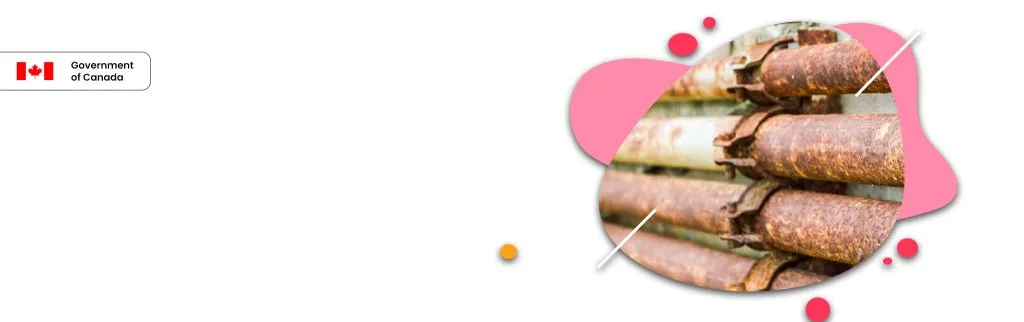
One of the most frequent causes of low water pressure is clogged pipes. Mineral deposits and rust, and sediment accumulate inside plumbing systems as time passes, particularly in homes with galvanized steel or iron pipes that are more than a few decades old. The interior of the pipe becomes smaller because of these buildups, which block water flow and result in weak water pressure even when the faucet is fully open.
Real-life impact:
You find yourself attempting to fill a big cooking pot for dinner, but the water flows at half the normal speed, thus requiring double the time. The morning shower routine of a four-member family will become challenging because of decreased water pressure.
Why does it happen?
The main cause of water spots on surfaces is hard water, which contains excessive calcium and magnesium minerals. The accumulation of minerals inside pipes forms hard scales which block water flow through the pipes. The aging pipes in older homes create a higher risk because they have probably accumulated corrosion and wear damage.
Signs of clogged pipes:
- Using multiple faucets at the same time results in decreased water flow.
- Discoloured water or metallic taste
The pressure will decrease at a constant rate from the beginning to the end of the process.
Read More: Dangers of Lead or Polybutylene Pipes in Older Homes
2. Leaky Pipes: The Silent Pressure Thief

Leaks throughout the system create another major factor that results in lower water pressure. Water escaping from cracks or loose fittings reduces the total volume available for use in your home. Leaks become visible as sink puddles, but they can also exist in concealed areas such as wall spaces and floor areas and crawl spaces.
Real-life impact:
A concealed leak in bathroom wall structures results in weak shower water pressure while water escapes through the walls. The two main causes of air conditioner leaks are low pressure and other issues that can lead to water damage and mould growth, and structural problems if not fixed right away.
Signs of leaky pipes:
- Damp spots on walls, ceilings, or floors
- Unexplained mould growth in specific locations of the building.
- Higher than usual water bills
The running water noise persists after the taps have been switched off.
Why does it happen?
Leaks develop because of corrosion damage and natural aging processes, and also because of improper installation methods. Any amount of water leakage from your system will cause your home to experience reduced water pressure throughout all areas. The process of leak repair brings back normal water pressure while protecting your house from future structural harm.
Read More: How to Temporarily Fix a Burst Pipe While Waiting for Help
3. Faulty Pressure Regulators
Many residential plumbing systems include a water pressure regulator, a compact valve installed on the main supply line, to manage water flow and ensure consistent pressure throughout the home. This device helps maintain a stable and reliable water supply for everyday use. But if the regulator malfunctions, it can cause low or uneven water pressure.
Real-life impact:
A malfunctioning pressure regulator creates unpredictable water pressure in your morning shower, which can produce either powerful streams or weak trickles. The house contains various faucets and appliances which experience similar changes in water pressure which resulting in inefficient and frustrating daily activities.
Signs of a bad pressure regulator:
The water pressure levels change throughout each day.
The water flow remains weak throughout all faucets in the building.
- Loud banging or unusual noises in the pipes
Why does it happen?
Pressure regulators contain mechanical parts which deteriorate because of their normal operational usage. The regulator becomes blocked by debris or sediment, which stops it from keeping the correct pressure. Regular inspections and maintenance activities will help your regulator operate according to its original design specifications.
4. Municipal Water Supply Issues
Sometimes, low water pressure isn’t caused by anything in your home at all. The municipal water supply system experiences changes because of maintenance activities and peak usage periods, and short-term water main disruptions. The effects of water pressure become more pronounced in homes that are situated at elevated positions or located at the terminal points of water supply lines.
Real-life impact:
The water pressure stays at normal levels throughout the morning hours until neighbours start their laundry operations and garden watering, and shower activities in the afternoon. This external factor can make it challenging to pinpoint the problem.
Signs it’s a municipal issue:
- People who share the same residential location as you.
- Pressure improves at certain times of the day
- Local utility notices regarding water supply
Why does it happen?
The municipal water distribution system needs to distribute water supply to serve numerous residential areas. The water pressure decreases when multiple homes use water at the same time and during maintenance activities. Homeowners cannot stop this process, but understanding its origin helps them avoid unneeded plumbing system checks.
Read More: Hidden Water Leaks: Signs, Risks, and What to Do
5. Sediment in Fixtures
Even if your pipes are clear, water flow can be affected at the point of use. The flow of water becomes restricted in local areas because faucets and showerheads develop blockages from sediment and mineral deposits, and debris accumulation.
Real-life impact:
Your kitchen faucet operates as expected, but your bathroom shower experiences difficulties with water flow. Your showerhead might have uneven water distribution because some of its nozzles do not produce water at all.
Why does it happen?
Every faucet and showerhead operates as a water filtration system through distinct methods. The process of sedimentation leads to particle accumulation throughout time, especially in water regions with high mineral content. Regular cleaning of the system will help to maintain the flow without the need to replace the whole fixture.
Signs of clogged fixtures:

The water flow from one particular faucet or shower head remains weak.
- Irregular spray patterns
- Gurgling or sputtering water
6. High Water Demand
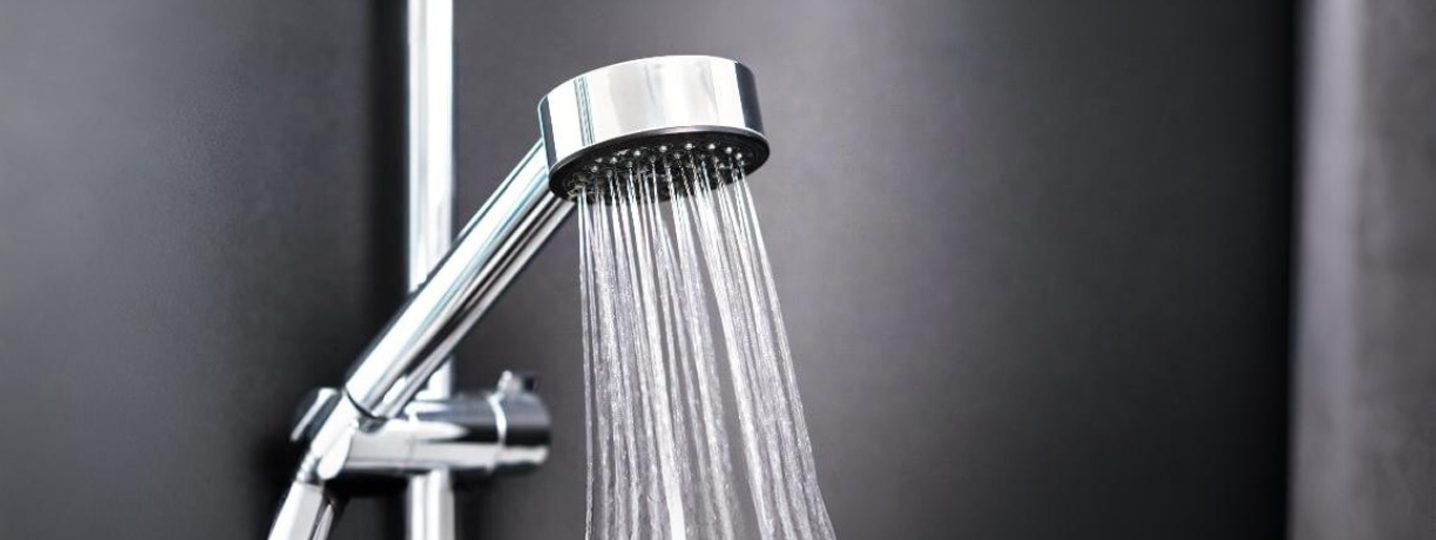
Water pressure experiences short-term reductions when several bathroom fixtures and appliances operate at the same time in homes with multiple bathrooms and dishwashers and washing machines, and showers. Older plumbing systems lack the capacity to manage numerous high-demand fixtures, which results in decreased water flow.
Real-life impact:
A morning routine with multiple family members showering can leave one person frustrated by weak water in their shower. Running a washing machine at the same time as filling a bathtub will cause the water to flow more slowly in the kitchen.
Why does it happen?
The system fails to maintain stable pressure levels when demand exceeds its maximum capacity. The problems can be solved by either upgrading the plumbing system or by installing a pressure-boosting solution.
Read More: Why Shower Leaks Happen, and How to Fix Them
7. How Low Water Pressure Can Be Fixed
1. Cleaning or Replacing Pipes
Professional cleaning services will solve the problem of mineral buildup in your home to restore proper water flow. The replacement of pipes with copper or PEX materials results in longer product life and better water pressure performance.
2. Repairing Leaks
Detecting and repairing leaks restores water to the system and prevents further damage. The detection of hidden leaks requires professional help because it needs specialized tools to identify and fix the problem correctly.
3. Adjusting or Replacing Pressure Regulators
A faulty pressure regulator can be repaired or replaced to restore consistent water pressure. Regular maintenance checks help the device operate properly, which safeguards your plumbing system and all fixtures.
4. Flushing Sediment from Fixtures
Regular cleaning of faucet aerators and showerheads prevents local clogs from developing. The water flow will improve by using vinegar to soak fixtures and soft brushing to remove deposits instead of buying new fixtures.
5. Installing a Water Pressure Booster
A booster pump serves as a necessary component for houses which receive a limited municipal water supply or consume substantial amounts of water. The systems operate to enhance water flow while maintaining constant pressure levels when various fixtures operate at the same time.
6. Monitoring Municipal Supply
If pressure issues are due to the municipal supply, monitoring water pressure and contacting your local water utility for guidance can help. Understanding supply schedules enables people to prevent unnecessary frustration.
The main causes of low water pressure include clogged pipes and leaky plumbing and faulty pressure regulators and sediment buildup and high household demand, and municipal water fluctuations. Homeowners who understand the root causes of water pressure issues can implement preventive measures to ensure a continuous water supply for their shower needs and kitchen operations and laundry activities, and everyday activities.
Homeowners receive technical expertise and practical knowledge from Delta Plumbers Inc to understand and maintain their plumbing systems. Our team provides complete assistance for water pressure maintenance and root cause identification, and professional solution implementation to deliver a daily strong water flow to your home.
Conclusion
Low water pressure at home can be frustrating, but it’s usually a symptom of an underlying issue such as clogged pipes, leaky plumbing, faulty pressure regulators, or even municipal supply fluctuations. By understanding the causes of low water pressure and taking the right steps—whether that means cleaning fixtures, repairing leaks, or upgrading old pipes—you can restore consistent flow and avoid long-term damage.
For homeowners wondering how to fix low water pressure, the first step is to identify the source of the problem. Simple DIY solutions like flushing fixtures or adjusting regulators may help, but in many cases, professional plumbing services ensure the job is done safely and effectively.
With the right maintenance and timely repairs, you’ll not only improve water flow throughout your home but also make daily routines like showers, laundry, and cooking much more convenient.
Ontario’s Go-To Team for Reliable Plumbing 💧🔧
At Delta Plumbers, we bring trusted plumbing expertise to neighbourhoods across Ontario. Whether it’s an emergency leak, a system upgrade, or a quick fix, our licensed professionals are here for you.
We are currently working on:
We also provide full coverage across Toronto, Aurora, Oakville, Barrie, Markham, London, Kitchener, Hamilton, Scarborough, and beyond.
No matter your location, Delta Plumbers is Ontario’s dependable choice for prompt, expert plumbing service.